Weakening Hezbollah and the Iranian Regime

Prof. Kobi Michael characterizes Lebanon as a failed state and advocates for a strategy that combines military force to weaken Hezbollah with diplomatic initiatives to empower the Lebanese army and state.

He emphasizes that Hezbollah’s actions are driven by Iran, making it essential to prevent the Iranian regime from obtaining nuclear weapons or controlling the strategic Strait of Hormuz.

Finally, Michael supports holding territory in South Lebanon as leverage and believes that sustained economic blockades are necessary to transform military victories into long-term strategic success against Iran.

The full interview took place on ILTV on April 15, 2026.

*The opinions expressed in Misgav publications are the authors’ alone.
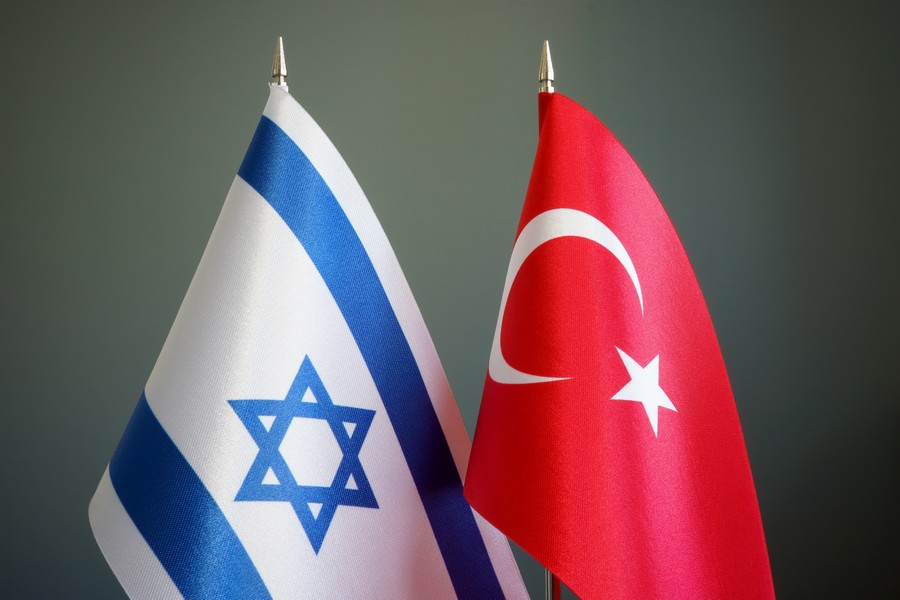


Iran War Pushes Israel-Turkey Rift Into a More Dangerous Phase

Prof. Kobi Michael: Direct Israeli-Turkish military confrontation remains unlikely because both countries are close US partners and Washington retains strong leverage over each. That we have already reached the edge, and it cannot be worse than that, because Turkey and Israel are very close allies of the United States.

Erdoğan sees opportunity in Iranian weakness, regional disorder, and Israel’s diplomatic troubles. Erdoğan has hegemonic aspirations in the broader Middle East. He perceives Turkey and perceives himself as the leader of the Sunni world and of a future Ottoman empire. Erdoğan sees now an opportunity, a window of opportunity when Iran is weaker. In his view, that opportunity is reinforced by Israel’s weaker international standing and by ideological changes inside Turkey that make a near-term reset unlikely.

Published in The Media Line,& The Jerusalem Post  April 15, 2026.

*The opinions expressed in Misgav publications are the authors’ alone.
Iran War Pushes Israel-Turkey Rift Into a More Dangerous Phase shutterstock - Vitalii Vodolazskyi


Security necessity or sinking mire?

Meir Ben Shabbat: Control of a security zone is by no means a recipe for a static presence, nor is it a stand-alone component. Alongside it there must be sustained offensive interdiction activity that does not allow the enemy to entrench itself and forces it to direct its efforts toward survival rather than attacking us.

The most important thing in my view is not to pay any price for the diplomatic negotiations or as part of them, for example by thinning out our security activity, because the Lebanese government is incapable of providing the thing we most need from it: the removal of the security threat posed by Hezbollah.

Published in  Israel Hayom, April 15, 2026.

*The opinions expressed in Misgav publications are the authors’ alone.
ביטחון ללא הסכם עדיף על הסכם בלי ביטחון shutterstock - Alex Lerner


The U.S. Blockade in the Strait of Hormuz

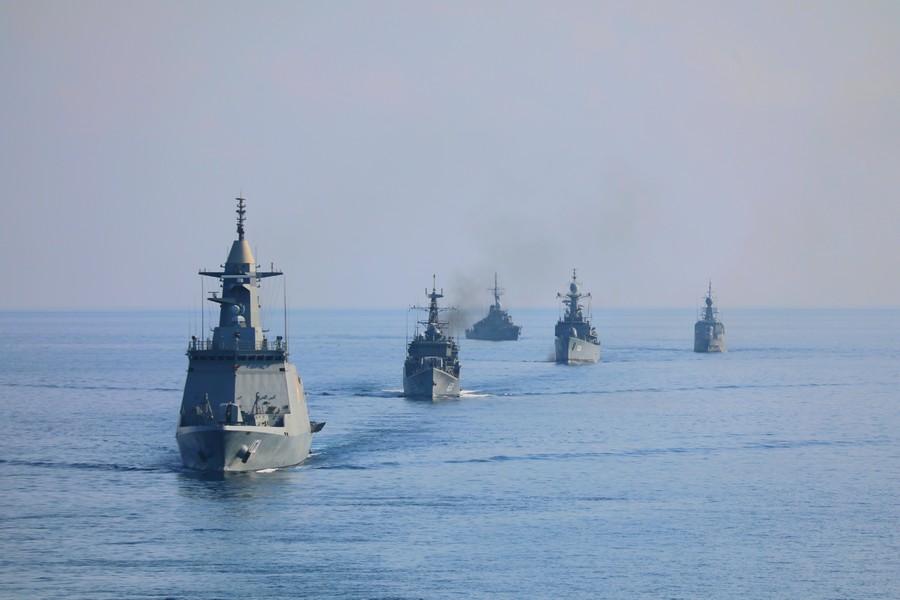
Prof. Kobi Michael asserts that the ultimate success of the military campaign hinges on the effectiveness and determination of a U.S. blockade in the Strait of Hormuz, which he considers to be the final stage of the conflict.

He suggests that the most probable outcome of this pressure is an aggressive Iranian retaliation against regional targets, which would likely prompt the formation of a broad international coalition—potentially including the U.S., Israel, the UK, Japan, and Gulf countries—to end the war through significant military action.

Regarding the Bab el-Mandeb strait, Michael notes that while the Houthis may target Israeli-bound vessels, a full blockade is improbable because of the Houthis’ independent interests and the strong military deterrence maintained by the United States and Israel.

The full interview took place on NewsX World on April 13, 2026.

*The opinions expressed in Misgav publications are the authors’ alone.


Iran: Deeds Over Declarations

Prof. Kobi Michael argues that Iran’s actions are more significant than its declarations, as the regime uses strategic narratives to deter international pressure and serve its own interests.

He emphasizes that the international community must prevent Iran from acquiring nuclear and ballistic capabilities while stopping its support for regional proxies that cause instability.

Furthermore, he suggests that regional stabilization will only be achieved through an effective blockade and military pressure that paralyzes the regime’s control.

The full interview took place on NewsX World on April 13, 2026.

*The opinions expressed in Misgav publications are the authors’ alone.
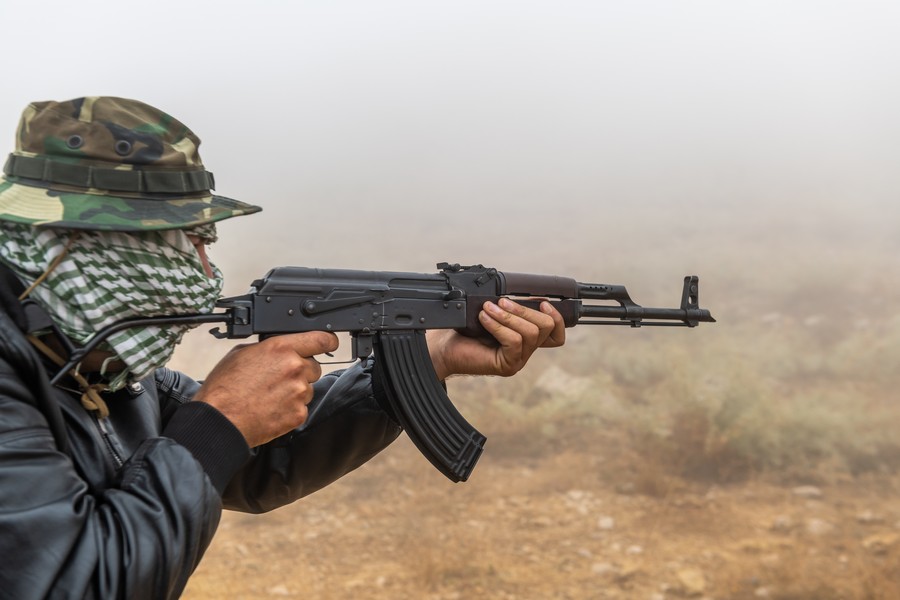


Strategic Blockades and the Path to Regime Collapse

Prof. Kobi Michael discusses the strategic pressure and naval blockade being used by the United States to bring Iran back to the negotiating table, noting that aggressive retaliation by Iran could lead to the regime’s eventual destruction.

He further argues that Iran has effectively lost its leverage over the Strait of Hormuz due to a strong international naval presence and the development of alternative energy pipelines in the region.

The full interview took place on Chai Fm on April 13, 2026.

*The opinions expressed in Misgav publications are the authors’ alone.
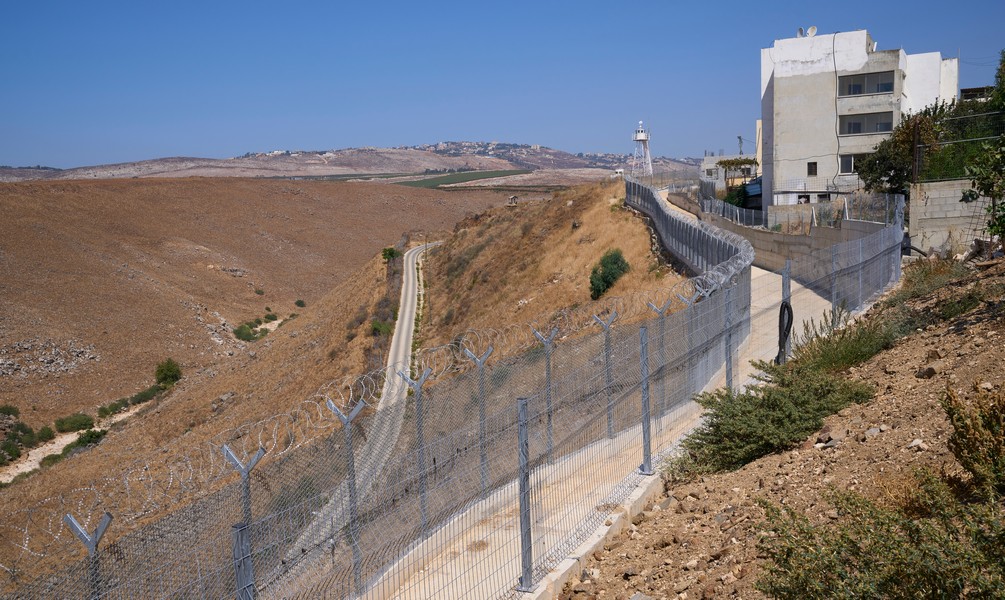


How can the IDF’s personnel shortage be solved?

Col. (res.) Hanan Shai: At the end of the previous century, the IDF transitioned into an “army of deterrence.” This shift meant the military chose to leave enemy formations intact across the border, relying on retaliatory strikes to alter the enemy’s willingness to fight, rather than their physical capacity to do so. This approach proved catastrophic as Hamas and Hezbollah developed substantial maneuvering ground forces capable of launching surprise invasions.

You cannot defend a thin border that was organized against terrorists.
The current situation, characterized by a prolonged war reliant on reservists, is the direct consequence of failing to achieve rapid military victories. He [the chief of staff] should first start with what he needs to do, shorten the wars. If he shortens the wars, then there won’t be such a big manpower problem.

Published in JNS, April 11, 2026.

*The opinions expressed in Misgav publications are the authors’ alone.

How can the IDF’s personnel shortage be solved? shutterstock - Shutterstock.AI Generator


US-Iran ceasefire pauses war – nuclear, Hormuz, and Lebanon issues remain

Dr. Raphael BenLevi: This is just a ceasefire – it is not peace. The terms are not set yet … not on the Strait of Hormuz, not on the nuclear issue, and not on Lebanon.

Israel achieved the significant degrading of Iran’s threat capabilities across every military realm. Our point of comparison must not be some imaginary hoped-for situation but rather where Israel was before operation Roaring Lion began.

In Lebanon, Israel must lock in achievements as soon as possible before the diplomacy becomes prohibitive. Israel will no longer tolerate a terrorist army sitting a few kilometers from its communities, armed for invasion and missile fire. That period is over.

Published in The Jerusalem Post, April 11, 2026.

*The opinions expressed in Misgav publications are the authors’ alone.

US-Iran ceasefire pauses war – nuclear, Hormuz, and Lebanon issues remain shutterstock - somkanae sawatdinak


Can Tehran still massively finance its terror proxies?

Prof. Kobi Michael: The regime’s ability to transfer currency will be heavily shaped by the conditions that end the conflict.

If there were an agreement that included lifting sanctions, and assistance for Iran’s economic rehabilitation, the regime would find a way to continue transferring money to its proxies, even if in lesser amounts.

Conversely, if the war ultimately ended with the “opening of the gates of hell,” according to U.S. President Donald Trump’s assertions, it is hard to see a situation where the beaten and battered Iranian regime would manage to significantly fund its proxies.

Published in JNS, April 10, 2026.

*The opinions expressed in Misgav publications are the authors’ alone.

Can Tehran still massively finance its terror proxies? shutterstock - paul saad


From “Good Fence” to Buffer Zone: Israel’s Shift in Southern Lebanon

Prof. Kobi Michael: Israel has changed its security doctrine after the events of October 7, 2023, shifting from a strategy of “containment” to one of irect responsibility.

Israel has no territorial demands or ambitions when it comes to Lebanon. Israel has only security demands. The problem is that the Lebanese state, or the Lebanese government, and the Lebanese army are unable to do what they are supposed to do according to the commitments they have undertaken. The Lebanese army is incapable, and I believe even unwilling, to confront Hezbollah and dismantle it. There is a very large Shiite segment within the Lebanese army that identifies with Hezbollah or even supports it. Therefore, there is not enough cohesion within the army to carry out such a mission.

The full interview was published in AlHura on April 9, 2026.

From “Good Fence” to Buffer Zone: Israel’s Shift in Southern Lebanon shutterstock - A.Pushkin