Ep. 33: Will the Iranian People Rise Up?

In this powerful and inspiring episode of Mideast Horizons, hosts Asher Fredman and Lahav Harkov are joined by Sana Ebrahimi, a prominent Iranian activist and AI researcher, to discuss the current state of the Islamic Republic, the Iranian opposition, and the growing momentum for regime change.

Sana shares her remarkable personal journey, from growing up in a religiously conservative family in Tehran and wearing the chador from age seven, to becoming an outspoken voice against the ayatollah regime. She explains why so many Iranians reject the regime, why she does not believe the war has produced a true “rally around the flag” phenomenon, and why public anger inside Iran remains intense.

Sana also provides a masterclass on the landscape of the Iranian opposition, from the “reformists” and the MEK to the evolving movement around Crown Prince Reza Pahlavi. She argues that if the American and Israeli operations in Iran succeed in truly weakening the regime’s “killing machine,” a large-scale internal uprising could be on the horizon.

Sana also reveals how AI-generated propaganda, fake videos, and coordinated online campaigns are distorting global perceptions of Iran, and what social media platforms should do about it.

In the opening segment, Asher and Lahav analyze the current state of Operations Epic Fury and Roaring Lion, and the critical questions on the table regarding any potential deal to end the war. They also discuss the return of Hamas displays of power in Gaza and the new roadmap for disarming the terrorist group presented by U.S. and regional mediators.

Key Topics Discussed:

  • Life Inside the Regime: Sana’s journey from a restricted life under the ayatollah regime to a leading voice in the global opposition.
  • The Uprising Timeline: Why the Iranian people are outraged and waiting for the right moment to reclaim their country.
  • Decoding the Opposition: A breakdown of the different groups vying for Iran’s future and why the Pahlavi camp is gaining traction.
  • The First AI War: How generative AI is being used as a weapon of war, and the need for “Responsible AI” in online discourse.
  • Gaza & Lebanon: Insights into the ongoing efforts to disarm Hamas and drive Hezbollah back from Israel’s border.

For critical insights on Iran and the changing Middle East, follow the Misgav Institute on X: @MisgavINSen.

👉🏻 Spotify: https://open.spotify.com/episode/0gNfCcZvCLp43dXMSrqfp5?si=A9nQTVn3ScCGxEhaWMmKeA&nd=1&dlsi=cb3d6e6bc17c4565

👉🏻 Apple:  https://podcasts.apple.com/us/podcast/countdown-to-snapback-sanctions-on-iran/id1822734204?i=1000727151332


Trump says Iran deal is close – but war is escalating on another front

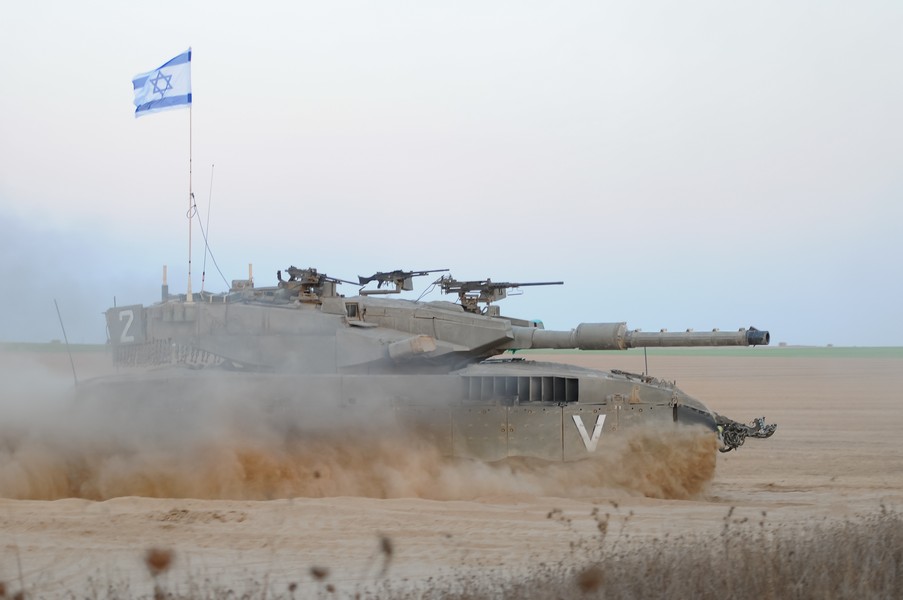
Prof. Kobi Michael: The campaigns against Iran and Lebanon were complementary and Israel was determined to see both of them through, even without US support. Even so, a major Israeli war with Hezbollah would be likely to rely on some degree of US support, as with the country’s other conflicts in recent years that have drawn heavily on American weaponry.

Published in Inews, March  25, 2026.

*The opinions expressed in Misgav publications are the authors’ alone.

Trump says Iran deal is close – but war is escalating on another fron shutterstock - shay shmueli


Trump, Iran and the Battle Over Time

Prof. Kobi Michael explains that Israel and the United States are pursuing parallel military and diplomatic tracks against Iran, with Trump reopening negotiations without halting ongoing strikes.

He argues that Iran’s core strategy is to gain time, increase pressure via threats to energy infrastructure and the Hormuz Strait, survive Western pressure, and emerge from the war still in power with the ability to rebuild its capabilities, warning that a failed negotiation could trigger a far more intense phase of the war.

The interview took place on Channel I24 on March 25, 2026.

*The opinions expressed in Misgav publications are the authors’ alone.


Fallout from Iranian strike on Dimona plant would be symbolic, not radioactive

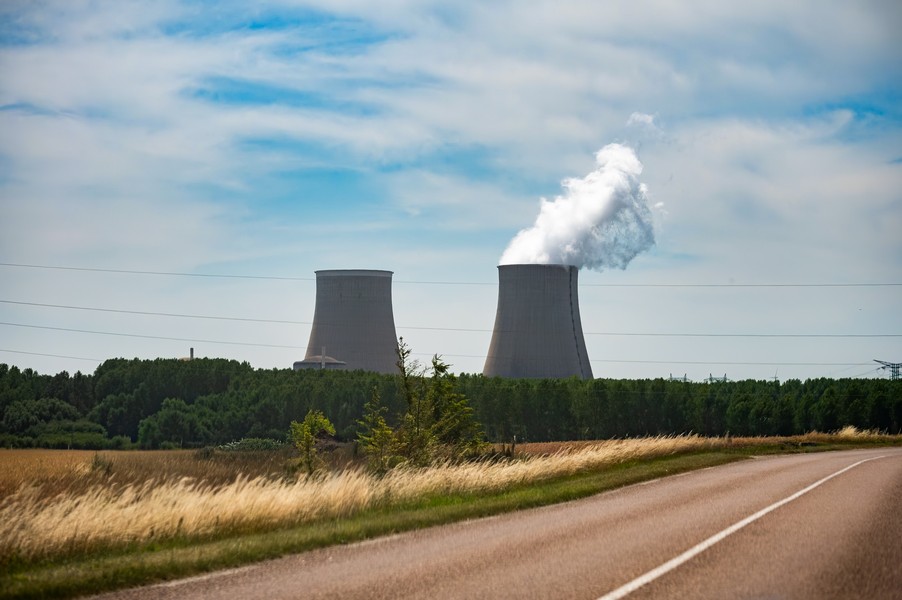
Prof. Zaki Shalom: The primary significance of a strike on the reactor would not lie in physical danger, but in a major psychological and symbolic achievement for Iran.

If such a sensitive security site were damaged, even minimally, it can be assumed that Israel would need to respond in an exceptional manner. It would not be able to suffice with a parallel strike on nuclear sites in Iran, since it is already doing so in any case.

The full interview was published in The Times of Israel on March 25, 2026.

*The opinions expressed in Misgav publications are the authors’ alone.

Fallout from Iranian strike on Dimona plant would be symbolic, not radioactive shutterstock - barmalini


The Strategic Calculus of Mediation: Weakening the Iranian Regime and Hezbollah

Prof. Kobi Michael analyzes the strategic goals of mediating the war with Iran, specifically the removal of enriched uranium and the termination of proxy support, while expressing deep skepticism regarding the regime’s cooperation

He emphasizes that the success of these efforts is vital for weakening Hezbollah and fostering a unique opportunity for normalization with a Lebanese government that now views the group as an enemy

The full interview took place on Chai FM on March 24, 2026.

*The opinions expressed in Misgav publications are the authors’ alone.


Trump’s moment of decision: force Iran’s surrender or squander a historic opening

The scale of this war’s achievements and the reach of its impact will be shaped by the arrangements forged at its conclusion. Even now, one thing can be said: Iran’s rush toward negotiations under fire – and after the elimination of its supreme leader and a large part of its leadership – may signal the beginning of a surrender.

“Accepting this decision is more bitter and lethal for me than drinking a cup of poison” – those were the words of Iran’s supreme leader, Ruhollah Khomeini, in his famous address of July 20, 1988, in which he explained his acceptance of the ceasefire with Iraq and his retreat from the call to fight until victory. Eight years of bloody war were required to bring him to that point.

Experts argued at the time that this was the first instance in the history of modern revolutions in which a revolutionary leader had made such an extreme reversal on such a fundamental matter. The speech was considered a defining moment, precisely because of the sharp shift from the rhetoric of war-until-victory to painful compromise. The phrase “drinking a cup of poison” has since entered the lexicon of Iranian politics to describe situations in which a leader is compelled to make a pragmatic decision, contrary to his ideological convictions, in order to save the state or the regime.

Despite Iranian denials that advanced discussions between the parties are underway, every sign points to a mutual American and Iranian desire to reach an agreement. The coming days will show how far Khomeini’s successors in Tehran are willing to walk the precedent-setting path he blazed.

According to reports on Al-Mayadeen (the Lebanese television channel affiliated with Hezbollah), the conditions Iran is placing on ending the war are sweeping. They include demands for guarantees against the resumption of hostilities, the closure of US military bases in the region, the payment of reparations to Iran, and a new order in the Strait of Hormuz that would expand Iran’s control over it. These can be assumed to be opening positions – negotiating tactics also designed to show regime supporters that it is not crawling to the table on its stomach.

In any case, Trump will have to accept that for as long as the Iranian regime exists – whoever its representatives may be – it will not change its aspirations and will not change its ways. On the contrary, the current war will provide it with a clear justification for the view that only a military nuclear capability can guarantee its survival. Accordingly, it will spare no effort to achieve precisely that.

Preventing a swift recovery

The first challenge Washington will have to address in any arrangement with Iran is preventing the rapid recovery of the regime. The easing of military pressure, in itself, will already create conditions for that. To prevent it, Washington will need to keep in place, for a considerable period, the economic sanctions and diplomatic isolation.

Such a decision will also reduce both the disappointment of Iran’s civilian masses, who are still waiting for a green light from Trump to take to the streets, and the anxiety of the Gulf states, which understand that they may now be left alone facing a wounded Iranian beast.

The second challenge is the nuclear issue – not only the removal and destruction of the enriched uranium in Iran’s possession, but also the prevention of any enrichment on Iranian soil at any level, along with effective oversight mechanisms to permanently foreclose the possibility of producing or acquiring nuclear weapons.

A further challenge concerns the imposition of limits on the missile program – range, types, and quantities.

The fourth challenge is halting Iranian support for proxy organizations. These challenges, too, are tied to the resources Iran will have at its disposal to rebuild its capabilities, which is another reason not to rush in unfreezing existing restrictions.

No fire and no recovery

The prevailing approach is that it is right for discussions on the core issues to take place precisely while military pressure is at its peak. At that moment, it will be easier to extract concessions. However, the cost of this approach may be the loss of remaining chances of toppling the regime. The moment a comprehensive arrangement is signed – one that releases resources to Iran – the regime’s recovery and rehabilitation will also begin.

The way to address this challenge is to decouple the ceasefire agreement from the arrangement on core issues. That is, not to settle for a halt to fighting if it comes with a lifeline for the regime, but also not to rush toward a comprehensive arrangement that enables its rehabilitation. A ceasefire without regime rehabilitation is preferable to an arrangement that preserves it.

Published in  Israel Hayom, March 24, 2026.  

*The opinions expressed in Misgav publications are the authors’ alone.


Pentagon to Deploy 82nd Airborne to Middle East

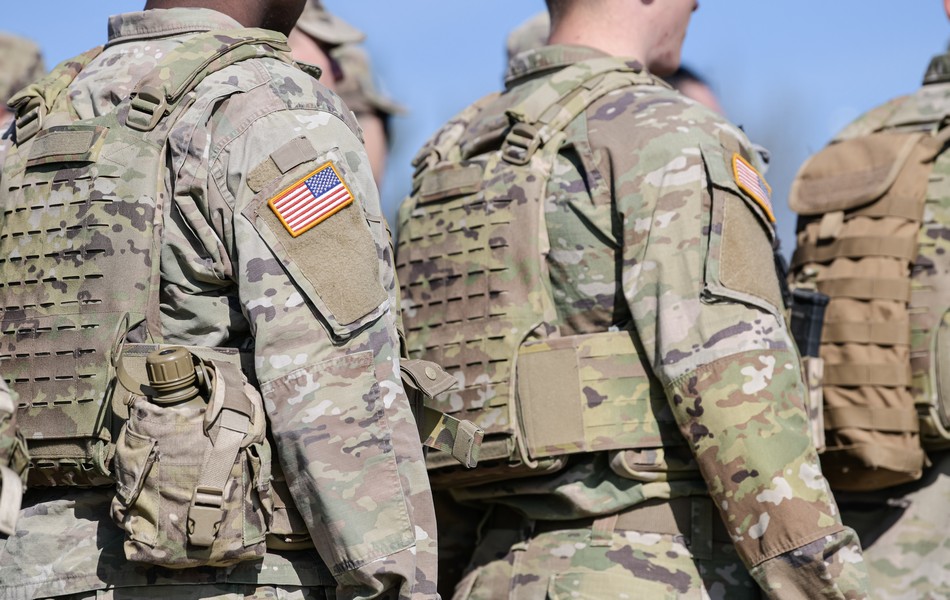
Meir Ben Shabbat: Washington’s first objective in any arrangement with Iran must be to prevent the regime from recovering quickly. Any agreement should include sanctions and diplomatic isolation of Iran, as well as removal and destruction of the enriched uranium, but also a ban on enrichment at any level on Iranian soil.

Trump put something on the table as a theoretical, it got exactly the desired end state which is, the attempt at negotiations would serve multiple purposes, not least of which is it demonstrates his willingness to pursue a negotiated diplomatic settlement. At the same time, strikes continue.

Published in The Daily Signal, March  24, 2026.

*The opinions expressed in Misgav publications are the authors’ alone.

Pentagon to Deploy 82nd Airborne to Middle East shutterstock - Dragos Asaftei


How is the Iran war impacting Gaza?

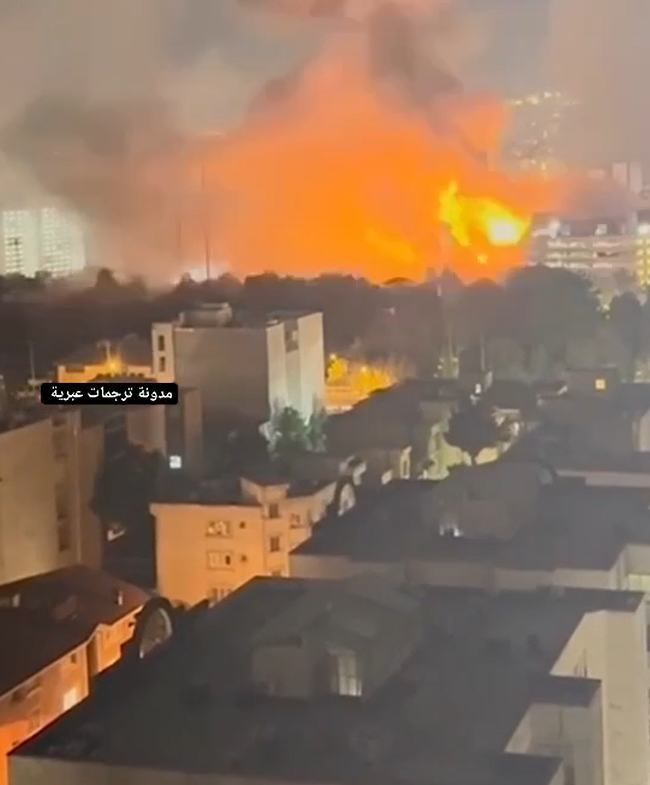
Prof. Kobi Michael noted that despite Israeli control over Gaza’s borders, Iran was still giving significant aid to Hamas. Even recently, the Iranians were trying to smuggle weapons and money to the Gaza Strip, the West Bank and to Hamas abroad. Hamas understands that if this regime collapses or is weakened to the degree that it will not be able to continue supporting Hamas, they are in big trouble. The assault on Iran was explicitly designed to target this infrastructure, with multiple IRGC commanders responsible for collaboration with Palestinian terror groups being neutralized in the early days of the campaign. Outlining the strategic intent behind destroying these networks, U.S. President Donald Trump explained in a briefing in early March that the military campaign ensures that the Iranian regime cannot continue to arm, fund, and direct terrorist armies outside of their borders.

The full interview was published in JNS on March 22, 2026.

*The opinions expressed in Misgav publications are the authors’ alone.

לפי סעיף 27 א' לחוק זכויות יוצרים


The Lebanon Campaign: Military Goals and a New Political Horizon

Prof. Kobi Michael explains that the IDF aims to remove Hezbollah from Southern Lebanon to establish a “political horizon” of mutual recognition and potential peace with the Lebanese government.

He further details the conflict’s transition into an “energy war” against national infrastructure, emphasizing the necessity of American pressure and support to effectively weaken Hezbollah and Iranian influence.

The interview took place on ILTV on March 19, 2026.

*The opinions expressed in Misgav publications are the authors’ alone.


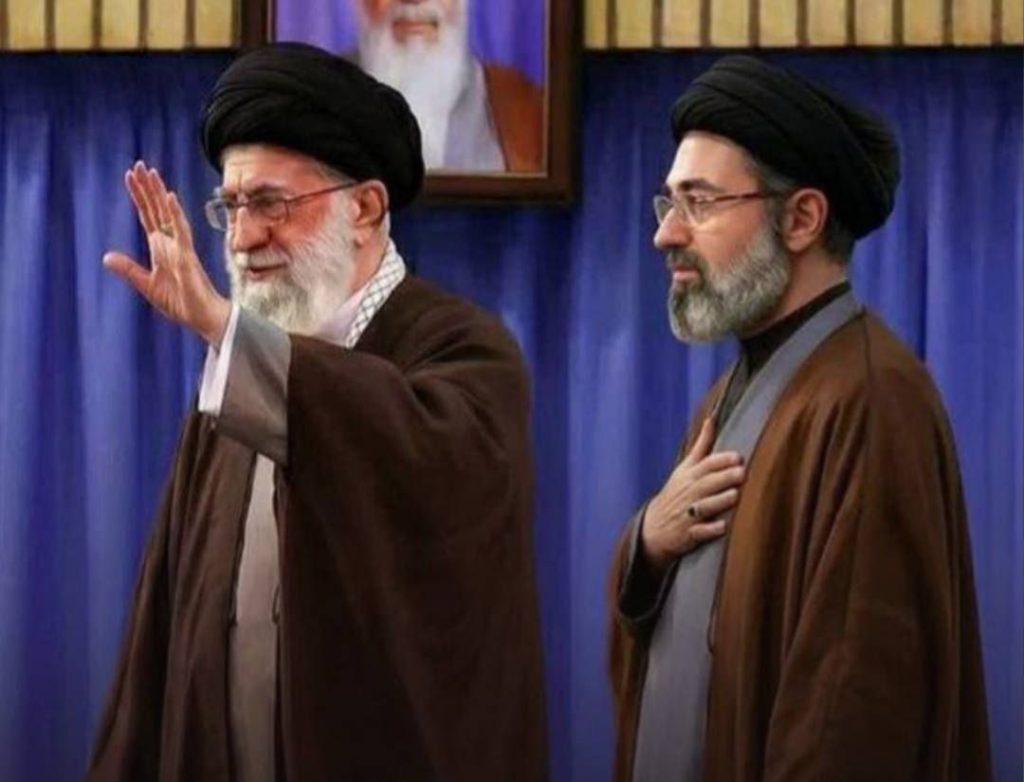
Iran’s supreme leader Mojtaba Khamenei ‘misfunctioning,’ not controlling regime

Prof. Kobi Michael: The new leader is an empty entity. Mojtaba Khamenei does not appear in public, but we also have reliable information that he does not control or lead the regime or what has been left of the regime.

The current Iranian leadership is broken, confused and is almost misfunctioning.

Published in Fox News, March  19, 2026.

*The opinions expressed in Misgav publications are the authors’ alone.

לפי סעיף 27 א' לחוק זכויות יוצרים