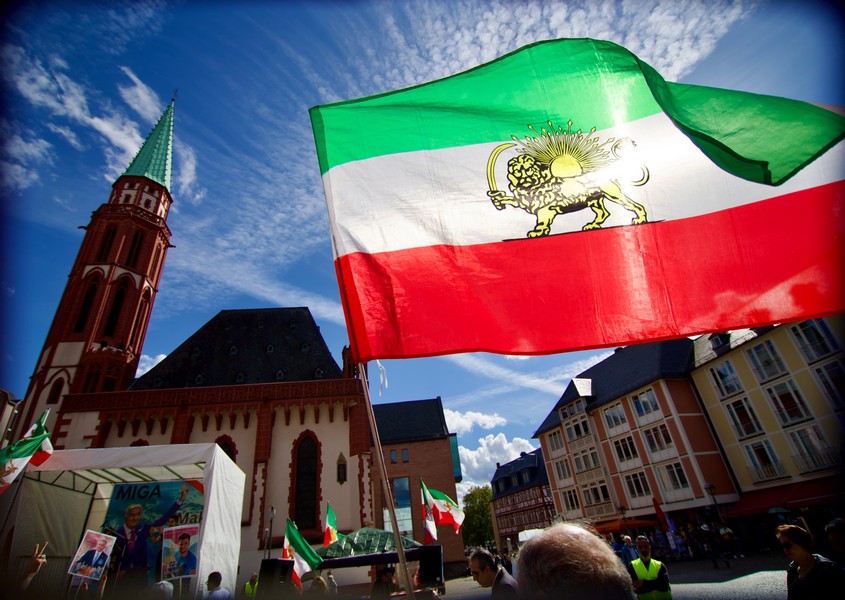
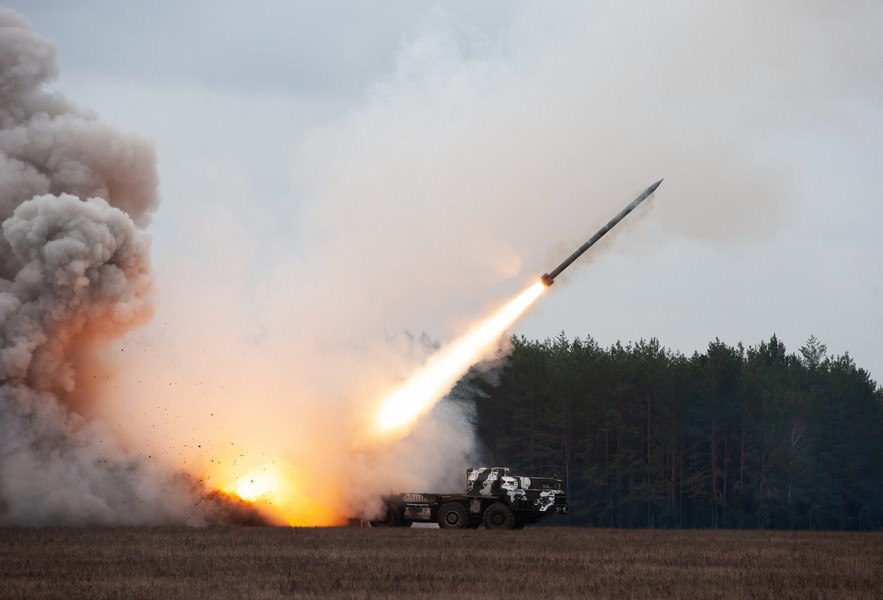
Hezbollah, Iran unleash coordinated cluster bomb strikes on Israel in major escalation

Prof. Kobi Michael: Hezbollah has fully joined the war, and it looks like they are now very well coordinated with Iran. Most of Hezbollah’s rockets and drones are launched simultaneously with the Iranian missiles.

The Iranian use of cluster missiles and the idea that they deliberately target civilians and civil facilities must be considered as a use of non-conventional weapons, and the American-Israeli response must be appropriate.

Israel will no doubt take control over a wide territory in south Lebanon, from the international border to the Litani River, in order to establish a security buffer zone. This will prevent Hezbollah from attacking the Israeli villages and towns in the north of the country and will intensify the attacks against Hezbollah all over Lebanon.

Published in Fox News, March  10, 2026.

*The opinions expressed in Misgav publications are the authors’ alone.
Hezbollah, Iran unleash coordinated cluster bomb strikes on Israel in major escalation shutterstock - vblinov


Regional War Reshapes Political Landscape

Prof. Kobi Michael: I think that Israel perceives the event as a very historical opportunity to reshape the regional architecture in its entirety.

The Gulf countries are very hesitant when it comes to Iran because they don’t rely on the Americans. They are afraid that if they join the American-Israeli coalition now … the Americans will not finish the job, and then they will remain there with Iran, which is the wounded lion.

The accumulation of the damages that are caused to Iran is very significant. … Iran after the war … will not be Iran that we used to know.
The big question … is what is going to be on the day after. On the day that President Trump reaches the conclusion that he won the war … what will remain here in the region?

Published in The Media Line, March  10, 2026.

Regional War Reshapes Political Landscape shutterstock - macondofotografcisi


No potential daylight on Iran between Israel and the US

No potential daylight on Iran between Israel and the US

Dr. Raphael BenLevi: Having now openly called for an end to the nuclear and ballistic programmes and the support for proxies, it would be very difficult for him to accept a situation where those remain in place.

Theoretically, Israel might desire regime change more than the US, but at this point, I don’t see much potential daylight between the two. If you look at Trump’s policy on Iran over the years, including in his first term, he’s actually been remarkably consistent, in contrast to the way he talks to journalists about it.

The full interview was published in The Telehraph, on March 9, 2026.

The opinions expressed in Misgav Institute publications are those of the authors alone.


‘Hezbollah is isolated, weak and vulnerable’

Col. (res.) Dr. Hanan Shai: Hezbollah found itself disconnected from its Iranian patron, which itself is fighting for its existence after severe blows in the war with Israel and the United States.

Thus, a situation was created in which the borders of Lebanon were essentially sealed from all sides: from the north and east by Syria, and from the south and west by Israel. In this reality, Lebanon becomes a closed arena—and Hezbollah finds itself isolated, weak and much more vulnerable than it was in the past.

The enemy, due to its mistakes that Israel exploits, is trapped in the arena it chose for himself. The destruction of homes used as military infrastructure by Hezbollah creates an irreversible reality of prolonged displacement for many evacuees.

The organization found itself disconnected from its Iranian patron, which itself is fighting for its existence after severe blows in the war with Israel and the United States.

Published in JNS, March  08, 2026.

*The opinions expressed in Misgav publications are the authors’ alone.
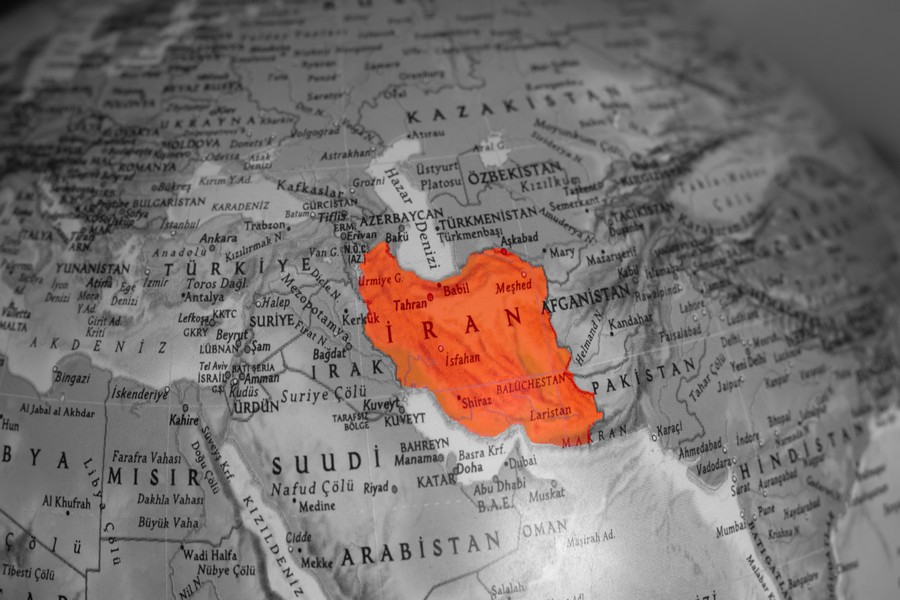
‘Hezbollah is isolated, weak and vulnerable’ shutterstock - Matej Sulc


War could reshape the ‘architecture’ of Middle East

Prof. Kobi Michael:It will not be Iran that we used to know, and it will not be a capable Iran. I believe a redefined landscape in the region was the intended “endgame” of the strikes. either way we will have a different Middle East.

I dnot foresee the current conflict becoming an endless war, but it could last some weeks.

I believe it is possible that Israel and the U.S. would “finish destroying the main assets of the current regime within weeks and weaken Iran in a way that Iran will not be able to reconstitute itself militarily.

Published in NBC News, March  06, 2026.

*The opinions expressed in Misgav publications are the authors’ alone.
War could reshape the ‘architecture’ of Middle East, Israeli analyst says shutterstock - Phil Pasquini


Iran’s senior clerics ‘exposed’ after building strike in Qom, succession choice looms

Prof. Kobi Michael: This second strike would be another embarrassment to what has been left of the regime. It indicates intelligence dominance and superiority because any movement is detected, meaning they would feel exposed.

We need strategic patience and determination, and in several weeks most of the job will be accomplished. Even if the regime does not collapse, Iran will not be like we used to know.

Published in Fox News, March  03, 2026.

*The opinions expressed in Misgav publications are the authors’ alone.
Iran’s senior clerics ‘exposed’ after building strike in Qom, succession choice looms shutterstock - Mahmoud Mahdi Photo


War could reshape the ‘architecture’ of Middle East

War could reshape the 'architecture' of Middle East

Prof. Kobi Michael: It will not be Iran that we used to know, and it will not be a capable Iran, we will have a different Middle East.

the U.S. would finish destroying the main assets of the current regime within weeks and weaken Iran in a way that Iran will not be able to reconstitute itself militarily.

The full interview was published in NBC News, on March 4, 2026.


Reshaping the Middle East: The Joint Israel-US Strategy Against Iran

Prof. Kobi Michael discusses the unprecedented military cooperation between Israel and the United States aimed at degrading Iran’s military capabilities and preventing it from remaining an existential threat . He further explores how exposing Iranian vulnerabilities could facilitate a change in the regime and lead to a new regional architecture, potentially expanding the Abraham Accords to include Saudi Arabia.

The full interview took place on CHAI FM on March 3, 2026.

*The opinions expressed in Misgav publications are the authors’ alone.


A New Middle East: The Strategic Decline of Iran and its Proxies

Prof. Kobi Michael discusses the strategic weakening of Iran and its proxies, such as Hezbollah and the Houthis, following intensive military strikes on Iranian infrastructure and command centers,,. He also highlights the resilience of the Israeli public and anticipates a “new Middle East” where regional shifts, like Qatar’s distancing from Tehran, could lead to the expansion of the Abraham Accords. The full interview took place on ILTV on March 3, 2026. *The opinions expressed in Misgav publications are the authors’ alone.https://youtu.be/bwSDsMp5bWg


A ‘Biblical’ Shift: Iran’s Collapse

Prof. Kobi Michael describes the unprecedented strategic and military synergy between Israel and the United States as a “biblical event” that has effectively targeted Iran’s top leadership.
He asserts that the Iranian regime is facing a potential collapse or fundamental transformation because its ability to strike back is being crippled by a critical shortage of missile launchers, which are being systematically destroyed by Israeli and American forces. To prevent the threat from re-emerging, he emphasizes the necessity of a joint Israel-U.S. control mechanism to ensure the regime cannot reconstitute its nuclear program, ballistic missile arsenal, or regional proxy networks.

The full interview airs on Fox News on March 2, 2026.

*The opinions expressed in Misgav publications are the authors’ alone.