Israelis and Egyptians Differ on Smuggling in Gaza

Prof. Kobi Michael: As long as Hamas remains in control and is committed to another Oct. 7, the American ceasefire framework will not get anywhere. You cannot build a stable peace with a partner that openly prepares for the next massacre. At some point, the United States will have to recognize that Hamas is the obstacle, not part of the solution. That will force Washington toward what he calls Plan B.

Israel has to give the Americans the time and space to try their way, so that the responsibility for the failure of the plan falls on Hamas. But in the end, I believe they will move to Plan B—securing the eastern Gaza Strip under IDF oversight, expanding it gradually to the west while crushing and dismantling Hamas if it continues to violate the agreement.

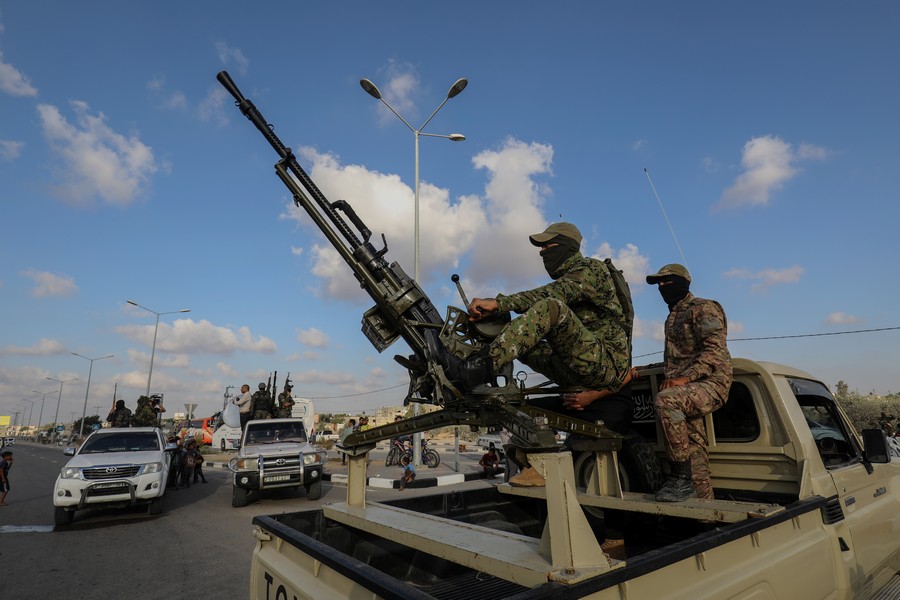
When Hamas tries, at the end of the day, it will get something through. The attempts themselves, including those the IDF has detected, show that the infrastructure is active now—not only historically. The real issue now is not weapons going out of the Strip, but those that keep coming in.

The full interview will be published in The Media Line, on November 24, 2025.
Israelis and Egyptians Differ on Smuggling in Gaza shutterstock - specnaz


‘Doctrine of deterrence enabled IDF blindness’

Col. (res.) Dr. Hanan Shai: The current probe is incomplete because it lacks expertise in “the art of war. It did not happen because suddenly everyone became undisciplined. The central thing that is not mentioned … is that the events occurred because the IDF operated in recent years according to the doctrine of deterrence, and not the doctrine of decisive victory.

A proper inquiry, must explain root causes rather than merely describe events. We need to also find out where it came from, and fix these things.

The one who is responsible for explaining the situation is not intelligence, it is the commander.

The full interview was published in JNS, on November 24, 2025.

‘Doctrine of deterrence enabled IDF blindness’ Photo: IDF Spokesperson


Taking out Hamas’ million-dollar ‘root’ tunnel is game changer

Prof. Kobi Michael: The destruction of this tunnel as well as many others like it or similar… as well as other terror facilities pushes Hamas to the edge. It is one of the longest and [most] complicated tunnels that have been discovered, but it is not the only one.

Hamas’ root tunnels form the backbone of its underground warfare system. This is an example of a root tunnel, a strategic one that feeds many tactic tunnels and is used for strategic purposes [such] as command and control, weapon storage, manufacturing platforms of weapon[s] and strategic logistics. Such a tunnel is usually manned by hundreds of militants and commanders.

“I have no idea about the cost but if you take into consideration the amount of the building materials, labor and facilities and its length, it is a matter of millions of INS. Hamas chose routes under sensitive civilian and humanitarian facilities in order to prevent the IDF from attacking the tunnel.

The full interview will be published in Fox News, on November 23, 2025.

Taking out Hamas’ million-dollar ‘root’ tunnel is game changer shutterstock - Mo Photography Berlin


How far does Hamas spread in the world and who is funding them now

Prof. Kobi Michael discussed how Hamas is an ideological branch of the Muslim Brotherhood and a reflection of Political Islam that has established a global “economic empire,” operating companies in places like Africa and South America and transferring funds through Qatar and Turkey. He emphasized the deep involvement of Iran in the October 7th attack, noting that the Iranians provided substantial support during the planning, as well as equipment, intelligence, and training, despite being surprised by the specific timing of the launch. Furthermore, the he explained that Hamas strategically counted on Israel’s aggressive reaction to amplify its narrative of victimhood, war crimes, and genocide, demonstrating its experience in exploiting the weaknesses of the international community and media to generate sympathy.

The full interview took place on Chai FM on November 21, 2025.


Strategic Challenges: Israel, Normalization, and the US Alliance

Prof. Kobi Michael addresses several critical strategic issues, primarily focusing on the consequences of seeking normalization and the challenges facing the US-Israel relationship.

He discusses the dynamics of normalization and the F-35 deal, arguing that “there are no free meals” and Israel must pay a political price for American backing, especially concerning the future path for a Palestinian state.

The full interview took place on ILTV, on November 16, 2025.

https://youtu.be/mYPveOhe-so


The Standoff in Rafah Threatens U.S. Peace Blueprint for Gaza

Prof. Kobi Michael argues Hamas intentionally left the fighters behind, possibly as a tactical maneuver to launch future attacks from within Israeli-monitored zones. He dismisses the idea of allowing the fighters to return armed to Hamas-controlled territory, proposing exile to a third country such as Turkey or Egypt as the only tenable option.

Published in FastBull, November 17, 2025.

The Standoff in Rafah Threatens U.S. Peace Blueprint for Gaza shutterstock - Below the Sky


Hamas Tunnel Terrorists Intentionally Stayed in IDF Zone

Prof. Kobi Michael: Israel’s starting point is different. Israel sees Hamas trying to reopen a deal that is already on paper.
Israel is trying to postpone the issue of the 200 terrorists until Hamas fully complies with the agreement and releases the four bodies of the dead hostages. Only then will Israel be willing and ready to negotiate what to do with these 200 terrorists. Hamas is trying to insert a new deal into an existing deal, and this is something Israel must reject — and I think the Americans understand that. The Americans are pushing to preserve the ceasefire and avoid a crisis or an excuse for Hamas, but I don’t think Israel will be ready to deal with this issue until Hamas has completed the transfer of all the dead hostages.

Published in The Media Line, November 06, 2025.

Hamas Tunnel Terrorists Intentionally Stayed in IDF Zone shutterstock - IDostal


Israel deported Palestinian prisoners to Egypt. Some Israelis question the practice

Prof. Kobi Michael: I think that for these people to live in Doha or in Istanbul under the hospitality of the [Qataris] and the Turks, is not a punishment.

The impact of Israel’s recent strike on Hamas leaders in Qatar If released prisoners end up in cities like Qatar’s capital of Doha, or Istanbul and Ankara in Turkey, they could be in “safe zones” enabling released prisoners to operate more freely and play a future role in groups like Hamas. They have a sort of immunity, because Israel will not target them, at least not under the current circumstances.

Published in NPR, November 13, 2025.

Israel deported Palestinian prisoners to Egypt. Some Israelis question the practice shutterstock - ChameleonsEye


Terrorists have this internal willingness and preparedness to die

Yossi Amrosi: What we will likely see is lengthy legal procedures and appeals which will make the terrorists into heroes. This could lead to copycats and more terrorist attacks. Terrorists sentenced to death will become famous, and this is extremely dangerous.

Only a few hundred of them have been convicted of murder, and only they would be eligible for parole. So there will always be motivation to kidnap Israelis, and the death penalty won’t prevent that.

Terrorists have this internal willingness and preparedness to die. From decades of talking to terrorists, their motivation always comes back to their faith and religion.

Published in The Media Line, November 12, 2025.

Terrorists have this internal willingness and preparedness to die shutterstock - Anas-Mohammed


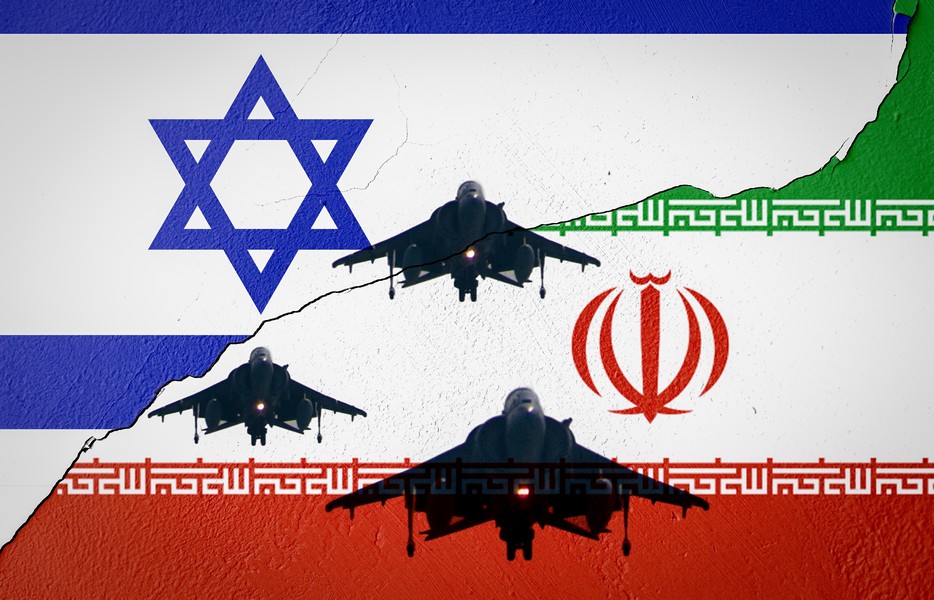
‘Expelling an ambassador is nothing to the Iranians’

Dr. Yossi Mansharof: Senior officer Amar, who leads Corps 11000 in Iran’s Quds Force, heads a mechanism targeting Jewish sites, not just Israeli ones. This activity is driven by an anti-Semitic motive, which is a core element of the Iranian regime’s goal to destroy Israel. Despite Israel’s successes in thwarting many plots, Iran’s determination and the intense activity of its intelligence and espionage networks leave no room for complacency.

Published in JNS, November 10, 2025.

‘Expelling an ambassador is nothing to the Iranians’ shutterstock - saeediex