The Missing Leader

Prof. Kobi Michael: Although this appointment is temporary – lasting 90 days with the option of extension – everyone understands that free elections are unlikely anytime soon. Once Hussein al-Sheikh stays beyond the 90 days, he will remain there for a long time. So, I’m not sure Barghouti’s release would ultimately change much on the Palestinian scene. After so many years of glorifying his image, it would be politically difficult for any Israeli government to justify releasing him.

Published in MBN, October 30, 2025.

The Missing Leader shutterstock - lev radin


‘This Is a Clear Violation’: Israel Hits Gaza as Remains Dispute Boils Over

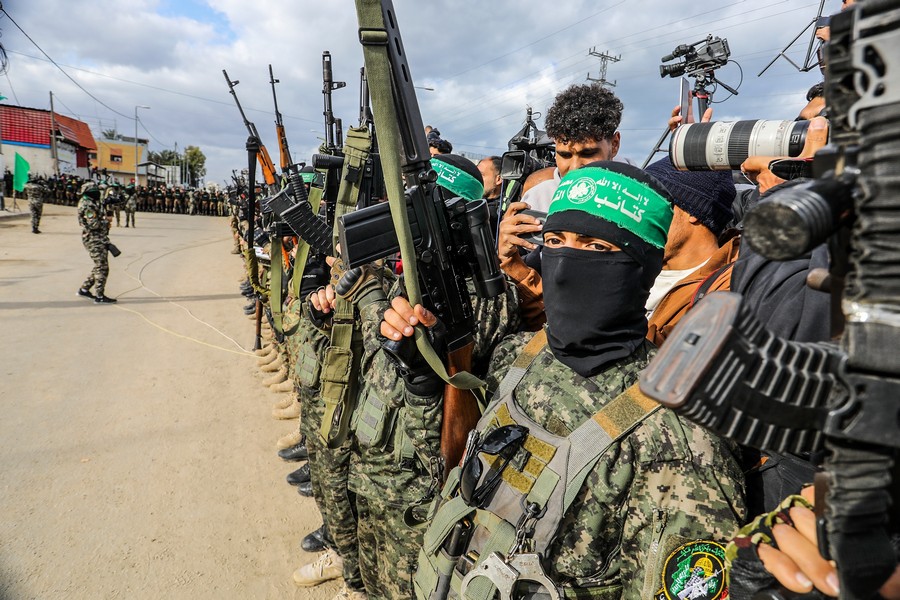
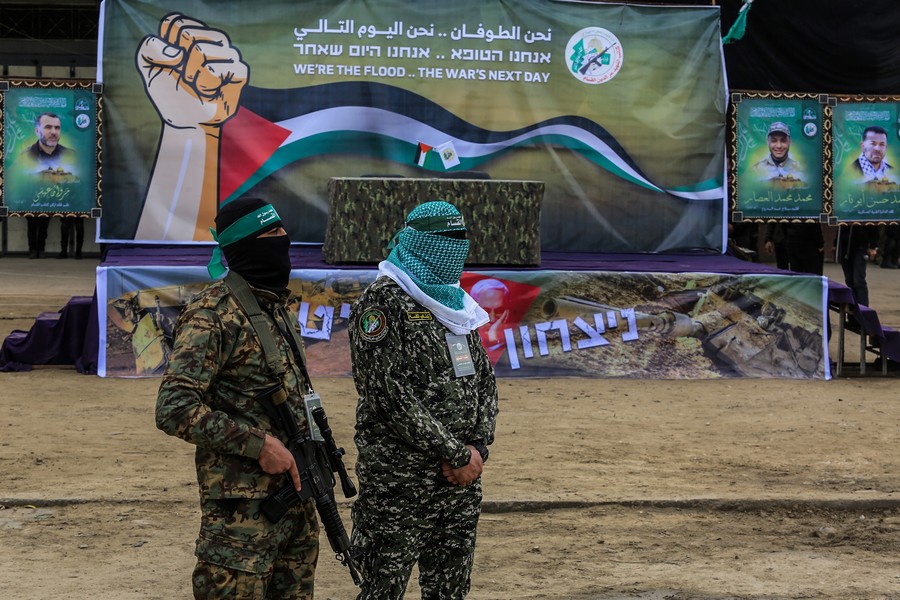
Prof. Kobi Michael: This move is in line with Hamas’ DNA. They will do whatever it takes to buy time to reestablish their hold on Gaza and exhaust Trump and Israel.

Whoever believes that Hamas will in any way cooperate with Trump’s plan and will voluntarily disarm while giving up its influence on reshaping Gaza is not reading the reality correctly. He added that the longer the first phase drags, the more Hamas gains time to reinsert operatives and reassert control.

We are nearing the point where Trump will also lose patience. Everyone will then understand that only the IDF can disarm Hamas. Once Trump realizes Hamas is disrupting his larger regional plans, he will allow Israel to operate militarily. The US president has threatened Hamas with obliteration if it fails to adhere to the deal, a warning echoed by Israeli leaders after the latest breach.

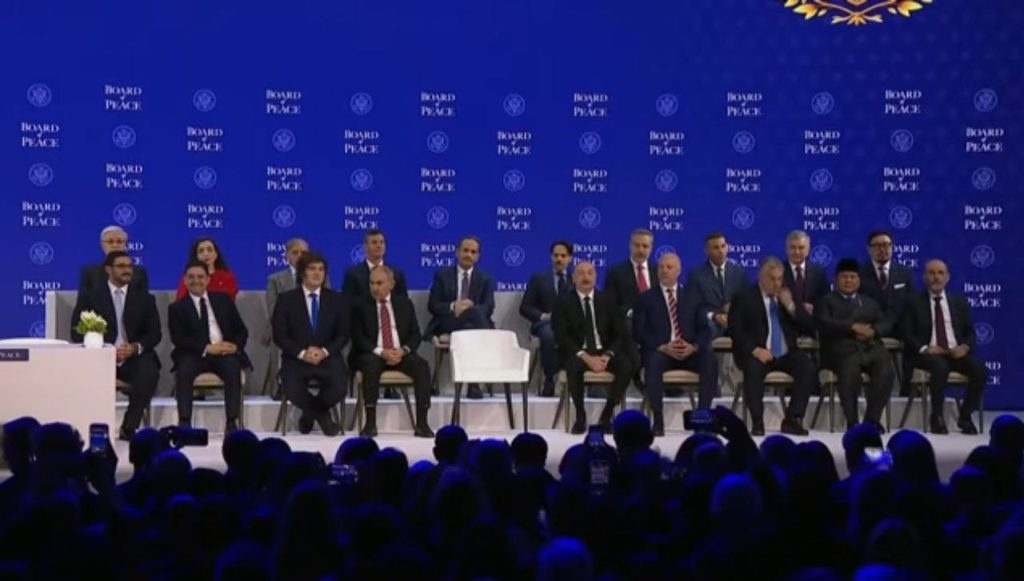
Israel will now try to make its case and gain legitimacy by getting the support of all those who backed the plan, in order to allow Israeli forces to operate militarily to completely disarm Gaza, at least in the northern part of the territory.

Published in The Media Line, October 29, 2025.

‘This Is a Clear Violation’: Israel Hits Gaza as Remains Dispute Boils Over shutterstock - ImageBank4u


Turkey & Qatar in Gaza – A New Foothold for Attacking Israel?

Noa Lazimi provides an in depth analysis of the interests that Qatar and Turkey have in Gaza and how those interests may conflict with the goals of the US and Israel. She then talks about the emerging threat of a Turkish attack on Israel and how the geopolitical landscape needs to adapt to the new power struggles in the Middle East.

Recorded as part of an IDSF briefing on October 28, 2025.


Israel Must Retaliate Aggressively and Coordinate Deeply

Prof. Kobi Michael contends that Israel must retaliate very aggressively, even disproportionally, to the ongoing violations committed by Hamas. He explains that if Israel fails to be strict and determined, it risks shaping a reality very similar to the one that existed until October 7th, which will likely result in much more severe violations in the future. Therefore, Michael stresses the critical need for very well and deep coordination with the United States, particularly with President Trump, to ensure the rules of the game are truly changed, build legitimacy for Israeli actions, and remain sensitive to American interests.

The full interview took place on Channel I24, on October 28, 2025.


Why the IDF Must Finish the Job

Prof. Kobi Michael expresses serious doubt that Hamas is taking President Trump’s ultimatum seriously, believing they are secured by Qatar and Turkey and are using the issue of dead hostages’ bodies as manipulation to waste time. Although he considers the overall US plan fantastic for Israel as it ensures ultimate victory and the achievement of all war objectives, he warns against the influence of Turkish and Qatari “political boots on the ground”, and predicts Hamas will likely fail to comply, requiring Israel to resume military operations, as the IDF is the only entity capable of dismantling Hamas.

The full interview took place on ILTV on October 26, 2025.


Saudi Frustration and the New Gaza Strategy

Asher Fredman discusses the complex geopolitical situation involving Saudi Arabia, Gaza, and other regional actors. He asserts that the Saudis are unhappy with the Qatari role in Gaza, understand Hamas’s true nature well, and want a new U.S.-led strategy to prevent Hamas from once again destabilizing the region.

The full interview took place on Channel I24, on October 23, 2025.


Inside the Gaza stabilization force plan

prof. Kobi Michael: When you have a broad variety of countries participating in a peacekeeping force with different organizational cultures, different military doctrines and different interests, then it is almost impossible for the force to operate as a coherent unit.

There was little chance that ISF would be able to take on Hamas in any serious way. If the ISF operates in areas with no Hamas presence, they have a higher probability of succeeding. If they operate in areas where Hamas is present, they will fail immediately. They do not even have a slight chance to succeed.

The success of the ISF will largely be dependent on their collaboration with the IDF. Broad and consistent cooperation with the IDF will significantly ease the functioning of the ISF. If the cooperation is obstructed, then it will be very difficult for the ISF to do its mission because there will constantly be tension that will be exploited by Hamas to rebuild.

Published in JNS, October 23, 2025.

Inside the Gaza stabilization force plan shutterstock - Anas-Mohammed


Questioning the Feasibility of a Regional Peace Architecture

Prof. Kobi Michael acknowledged the American optimism and good will driving efforts to establish a “new regional architecture,” but emphasized that the idea of achieving peace with Hamas “does not necessarily correspond with reality.” He argued that Israelis “cannot” feel secure relying on the proposed International Stabilization Force (ISF), since “most peacekeeping operations have failed” worldwide and “not even a single peacekeeping operation here” has succeeded since the 1950s. Moreover, he described the ISF’s composition as “very problematic,” highlighting “an inherent tension between two axes”—the Turkish-Qatarian axis and the Egyptian-Saudi-American axis—which undermines cohesion and raises doubts about whether the force “might [not] be too effective.”

The full interview took place on Channel I24 on October 22, 2025.


The Fragile Truce: Israel’s Path to Dismantling Hamas

Prof. Kobi Michael analyzes the highly fragile ceasefire situation, noting that Hamas has repeatedly violated the truce and rejected the full scope of the proposed peace plan, agreeing only to the initial stage of hostage release while refusing to disarm or leave the Gaza Strip. He argues that Israel must secure the continued commitment of President Trump and implement the plan’s stabilization measures in southern Gaza to build legitimacy for continuing the fight to dismantle Hamas in the north, while countering the adverse influence of supporters like Turkey and Qatar.

The full interview took place on Chai FM on October 21, 2025.


Aggressive Response to Hamas Versus Preservation of the Trump Plan

Prof. Kobi Michael described the situation as very fragile, noting that Israel must balance its desire for aggressive, heavy retaliation against Hamas violations with the need for restraint to secure the remaining hostages and implement President Trump’s peace plan.
He asserted that Hamas’s actions reflect its DNA, as they only agreed to the plan’s first phase and do not intend to demilitarize or dismantle, posing significant challenges for the implementation of the second and third phases. To succeed, Israel must combine military and diplomatic paths and focus on keeping President Trump supportive and focused on his plan through intimate channels, rather than taking his often incoherent public declarations too seriously.

The full interview took place on Channel I24 on October 20, 2025.

https://youtu.be/GKG1muerDH0