Israeli-American Strategy and the Iranian Nuclear Threat

Prof. Kobi Michael analyzes the strategic dynamics between Israel and the U.S. regarding the Iranian nuclear threat, asserting that Israel may act independently if any future agreement allows Iran to retain enriched uranium or remain a regional threat.

He maintains that “waging peace” with the current Iranian regime is impossible and insists that the total removal of all enriched uranium and full facility inspections are non-negotiable prerequisites to prevent Iran from obtaining a nuclear bomb as “policy insurance” for its survival.

The full interview took place on NewsX World on June 7, 2026.

*The opinions expressed in Misgav publications are the authors’ alone.


Navigating Regional Threats and U.S. Relations

Prof. Kobi Michael argues that Israel must significantly weaken Hezbollah and dismantle Hamas’s military capabilities to ensure national security and restore sovereignty in neighboring territories.

He further emphasizes that Israel will take independent military action to retaliate against security breaches, even if such actions potentially lead to a diplomatic crisis with the United States.

The full interview took place on NewsX World on June 5, 2026.

*The opinions expressed in Misgav publications are the authors’ alone.


Weakening Terror for Regional Stability

Prof. Kobi Michael emphasizes that Israel must militarily weaken Hezbollah and Hamas to ensure its national security and allow for effective governance in Lebanon and Gaza.

He also argues that while Israel values its strategic alliance with the United States, it must be prepared to act independently and retaliate against ceasefire violations to protect its citizens.

The full interview took place on NewsX World on June 4, 2026.

*The opinions expressed in Misgav publications are the authors’ alone.


Deterring Hezbollah and Countering Iran

Prof. Kobi Michael expresses skepticism regarding current diplomatic efforts, arguing that Israel should not be satisfied with the status quo in Lebanon and must prepare for a future military phase to effectively target Hezbollah’s centers of gravity.

He further emphasizes the need for Israel to ensure that the U.S. remains aligned with its core security interests, cautioning that American and Israeli priorities regarding Iran may not always perfectly overlap.

The full interview took place on ILTV, on June 3, 2026.

*The opinions expressed in Misgav publications are the authors’ alone.


Israel-US Strategic Relations and the Iranian Challenge

Prof. Kobi Michael discusses the complex strategic relationship between Israel and the United States, noting that while President Trump has restrained Israeli military action in Lebanon, the two allies remain fundamentally aligned on the primary goal of preventing Iranian nuclear enrichment.

He further assesses that a diplomatic agreement with Iran is highly unlikely due to unbridgeable gaps and internal regime instability, suggesting there is a higher probability for the resumption of a military campaign backed by the U.S.

The full interview took place on Chai FM on June 2, 2026.

https://youtu.be/XDMiXwfiWAI


IDF Achievements and the Iranian Nuclear Umbrella

Prof. Kobi Michael discusses the IDF’s strategic military achievements in dismantling Hezbollah’s infrastructure on the Alitah ridge, emphasizing that further weakening the group is necessary to allow the Lebanese government to exercise sovereignty.

He also warns that Iran seeks a nuclear bomb primarily as a strategic “umbrella” to provide them with immunity while they continue to destabilize and hegemonize the Middle East.

The full interview took place on NewsX World on May 31, 2026.

*The opinions expressed in Misgav publications are the authors’ alone.


Strategic Assets and Diplomatic Constraints in Lebanon

Prof. Kobi Michael discusses the strategic importance of assets like Beaufort Castle while emphasizing that the IDF must target Hezbollah’s essential centers of gravity in Beirut and the Beqaa Valley to effectively dismantle the organization.

He also addresses how U.S. diplomatic constraints regarding attacks on Beirut may inadvertently allow Iran to preserve Hezbollah’s military and political power as a vital regional proxy.

The full interview took place on KAN Eglish News on May 31, 2026.

*The opinions expressed in Misgav publications are the authors’ alone.

https://youtu.be/S9nigngouKg


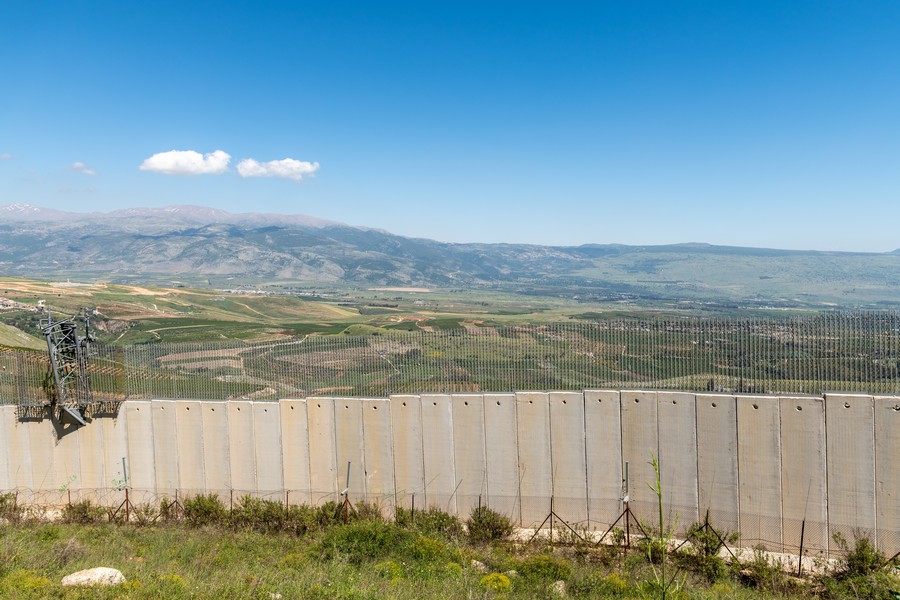
‘As long as there’s a danger, Israel must keep security zones’

Meir Ben Shabbat: The current reality in the Gaza Strip, in Lebanon and in Syria demonstrates part of the principles that Israel implements in its security concept since October 7.

Defining these principles, Control in territories vital to its security in areas beyond the border, and full utilization of freedom of action to enforce security demands in these areas and against emerging threats and against intensification of the enemy in the different arenas.

In the foreseeable future, Israel will need to persevere in this approach. It must not exchange tangible security assets for promises or agreements that will not be worth the paper on which they will be signed. In the current regional reality, this is the way to protect ourselves.

The full interview was published in JNS on May 29, 2026.

*The opinions expressed in Misgav publications are the authors’ alone.

‘As long as there’s a danger, Israel must keep security zones’ shutterstock - paul saad


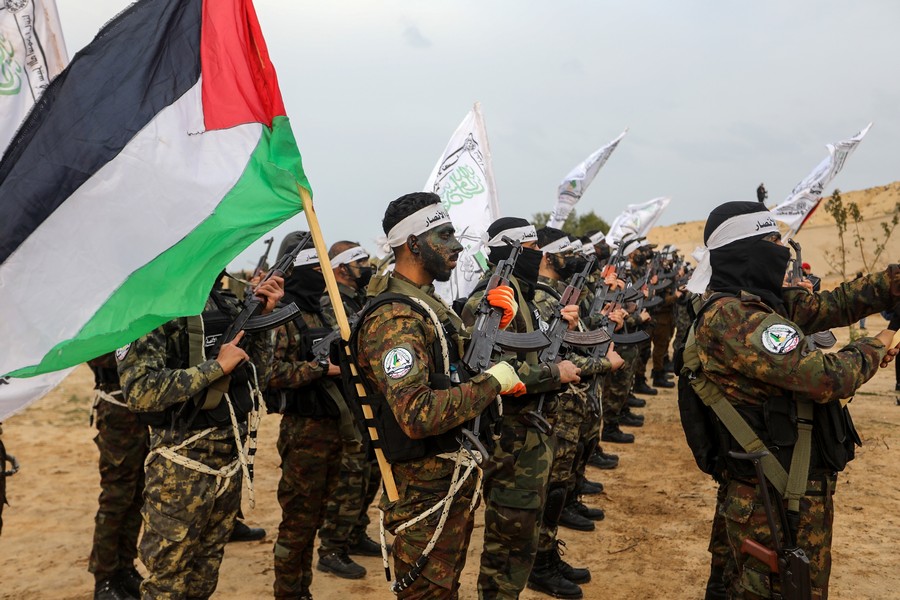
Israeli push to take more of Gaza raises alarm as Hamas warns against escalation

Prof. Kobi Michael: It looks as if we are taking a step towards another collision. But I believe this time it ​will be much shorter and maybe would open the path towards a new future.

Published in Reuters, May 29, 2026.

*The opinions expressed in Misgav publications are the authors’ alone.

Israeli push to take more of Gaza raises alarm as Hamas warns against escalation shutterstock - Anas-Mohammed


Weakening Hezbollah to Enable Lebanese Sovereignty

Prof. Kobi Michael argues that Israel must retaliate aggressively against Hezbollah’s continuous attacks to weaken the organization, as he believes the current ceasefire is not functional in practice.

He maintains that this military pressure is necessary to diminish Hezbollah’s influence, thereby allowing the Lebanese government to take responsibility for its own security and advance toward a peace agreement.

The full interview took place on NewsX World on May 28, 2026.

*The opinions expressed in Misgav publications are the authors’ alone.