

 Noa Lazimi
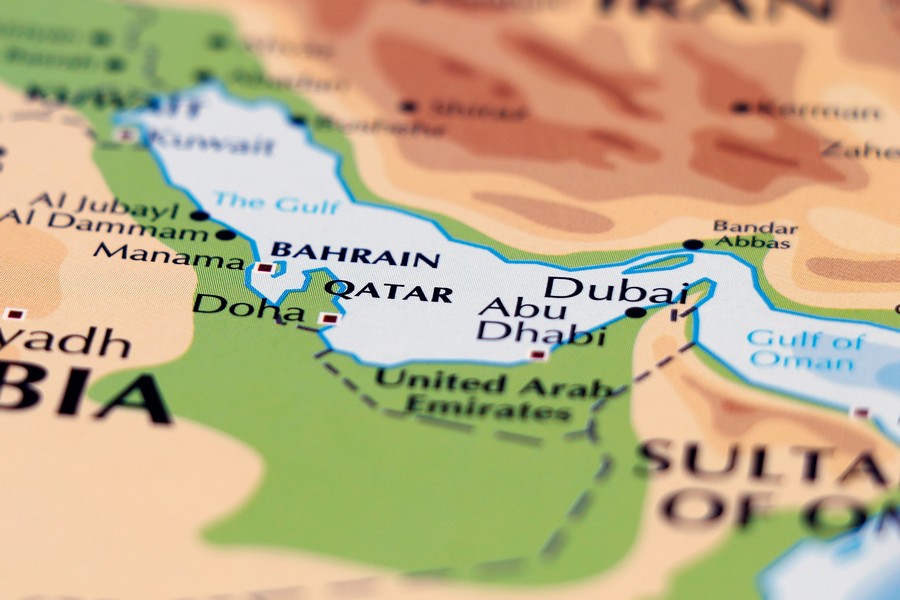


The joint Israeli-American strike on Iran has thrown Tehran into turmoil. The extensive scale of launches and strikes across the Gulf states underscored its willingness to exact a regional price. By expanding its attacks beyond military infrastructure to include civilian targets and oil facilities, Tehran overstepped and crossed yet another threshold in the conflict. Yet, the desperate move to restore its lost honor and to exert regional and global pressure on Washington to retreat only worsened its position.
After years of restraint, the region’s states are now being compelled to recognize that standing aside is no longer tenable and that Tehran must be made to pay a price. Following Iran’s escalating attacks, the time for a forceful response has arrived: Doha shot down two Iranian fighter jets and, according to reports, carried out strikes on Iranian soil. In Riyadh, preparations are underway for a possible entry into the conflict, and a similar option is reportedly under consideration in Abu Dhabi.
It must be acknowledged that Gulf states have long been aware of the Iranian threat but most of them chose to rely on Israel and the United States to address it on their behalf, while maintaining distance from Israel and at times even hostility toward it. Fearing Iranian retaliation and the consequences of regional escalation for their oil reserves, these states took care to appease Tehran and preserve normal—even close—relations with it, even as they quietly hoped for Iran’s weakening, particularly the halting of its nuclear and missile programs.
While the United Arab Emirates and Bahrain opted for overt ties and cooperation with Israel, others—foremost among them Qatar, Kuwait, and Oman—condemned Israel even as it acted against the Iranian axis that threatens them as well. They tended to favor accommodation and the preservation of dialogue with Tehran over escalation, even though the diplomatic track proved ineffective in curbing the threats emanating from it. This choice carried practical consequences: it weakened the deterrent effect and signaled to Tehran that its policies would not entail a tangible cost.
As for Saudi Arabia, the picture appears somewhat more complex. According to a report in The Washington Post, Crown Prince Mohammed bin Salman held several conversations with President Trump in recent months to advance an attack against the Islamic Republic, in stark contrast to the public stance he projected, including refusal to allow American strikes from Saudi territory. If accurate, this disclosure somewhat mitigates the criticism directed at Riyadh, alongside indications that the Saudis likely provided assistance in the defensive envelope, even if not in the offensive campaign, both in this and previous rounds. At the same time, this does not absolve the kingdom of having permitted—or turned a blind eye to—the recent anti-Israel campaign that spread through Saudi media, nor of regional moves suggesting rapprochement with the Muslim Brotherhood axis led by Turkey, rather than strengthening the camp of moderation led by Israel and the United Arab Emirates.
Ultimately, the risk-management policy that relied on maintaining an open channel with Tehran, coupled with public criticism of Israel and the assumption that Washington and Jerusalem would shoulder the burden of containing the threat, did not deliver the level of strategic immunity it was intended to secure. In the end, Iran did not distinguish between those who actively acted against it and those who avoided direct confrontation and confined themselves to balanced statements.
It is possible that had some regional states aligned themselves at an earlier stage with Israel, and advanced a coordinated regional framework to curb Iran’s growing power, they might have been able to establish joint deterrence and defense mechanisms and promote security measures capable of arresting the threat at an earlier phase — before the conflict reached the gates of their own capitals.
Published in The Jerusalem Post, March 03, 2026.
*The opinions expressed in Misgav publications are the authors’ alone.