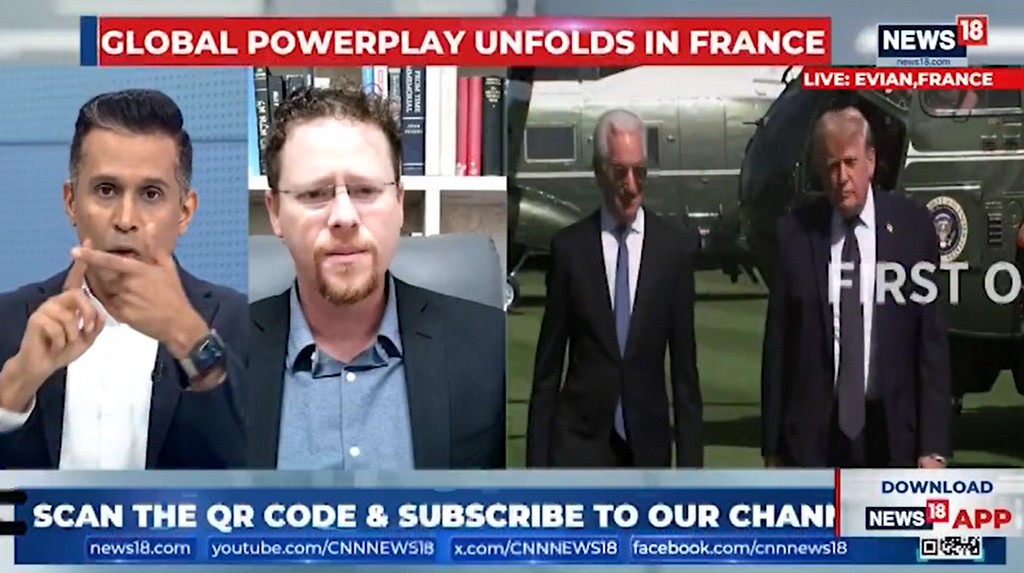
Dr. Rafael BenLevi argues that the proposed deal reflects American weakness and fails to address Israel’s primary security concerns, such as Iran’s nuclear program and missile capabilities.
He also warns that the involvement of hostile regional moderators like Qatar and Pakistan skews negotiations against Israeli interests, while emphasizing Israel’s determination to take independent action against grave national security threats.
The full interview took place on CNNnews18 on June 15, 2026.
*The opinions expressed in Misgav publications are the authors’ alone.
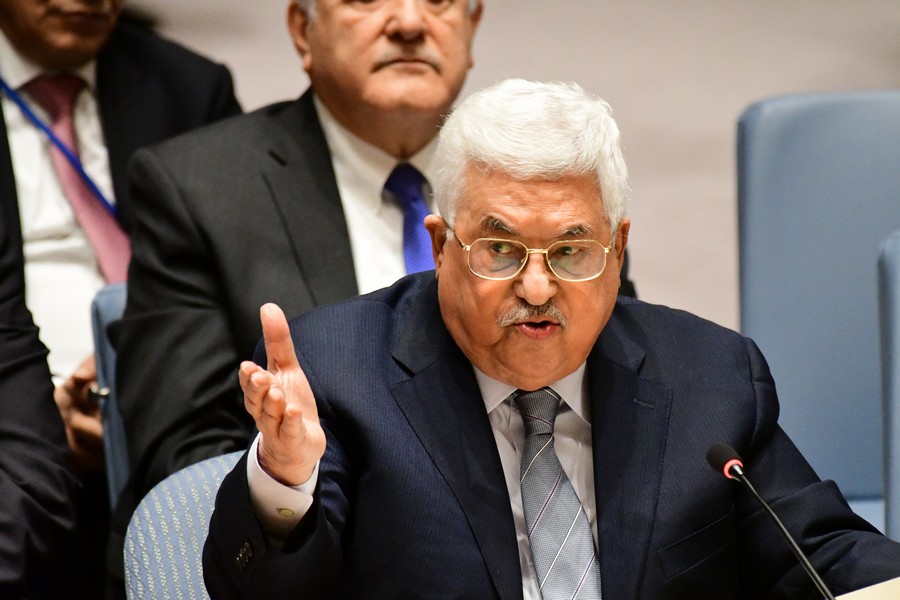
Prof. Kobi Michael: Abbas’s announcement was essentially the 90-year-old’s plan to use the “same maneuvers to run away from any significant reforms” and to maintain the “last drops of legitimacy.”
Abbas’s move might be more convincing for Western clients who are in favor of the Palestinians and support them under any conditions.
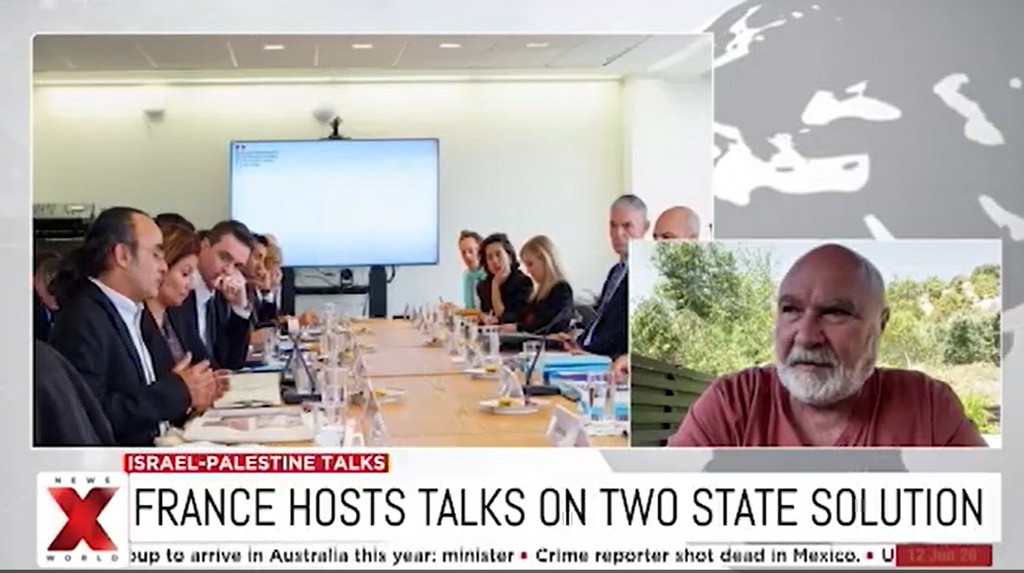
Prof. Kobi Michael argues that a two-state solution is currently unviable due to deep internal Palestinian divisions and their refusal to recognize Israel as a Jewish nation-state, suggesting instead a “new regional architecture” that addresses the Iranian threat.
He further contends that international recognition of a Palestinian state is counterproductive because it discourages bilateral negotiations and ignores the necessity of eliminating Hamas and reforming the Palestinian Authority.
The full interview took place on NewsX World on June 12, 2026.
*The opinions expressed in Misgav publications are the authors’ alone.
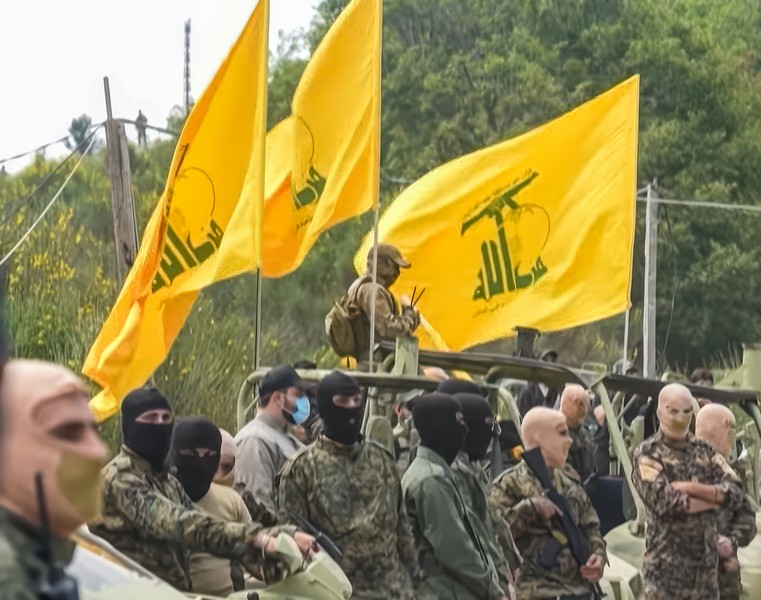
Dr. Yossi Mansharof: Hezbollah’s image as Lebanon’s protector collapsed long ago. But now its image as the protector of the Shiites is also beginning to crumble. Hezbollah is at a low point in terms of its legitimacy, both inside the country and within the Shiite community. This phenomenon bothers Hezbollah so much that it openly declares it is willing to go to civil war to change its weakening status in Lebanon. Unfortunately, Lebanon’s historical memory means the government and the public will do everything to avoid that. After all, Hezbollah is still the most armed and powerful body in the country.
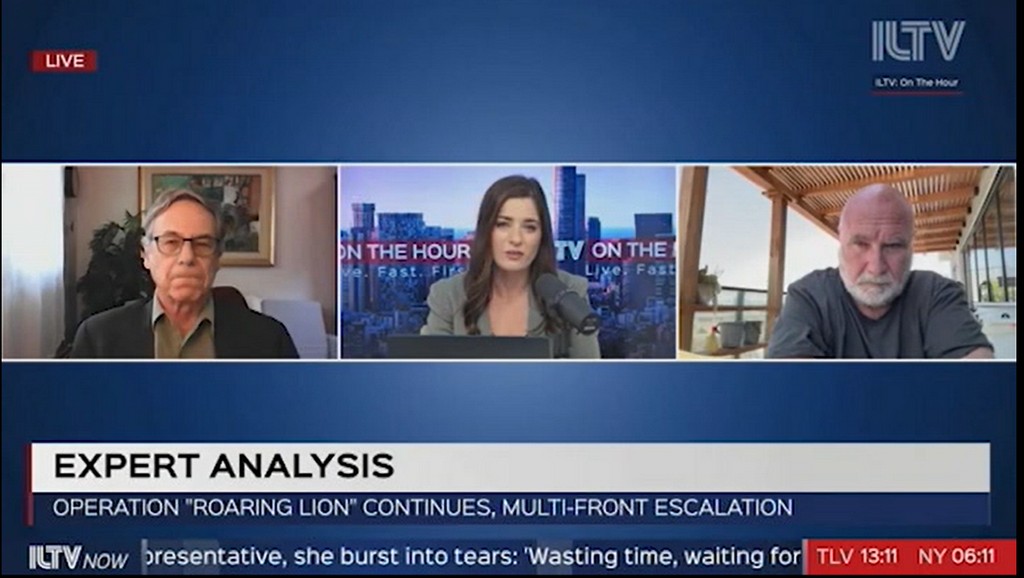
Asher Fredman emphasizes the necessity for Israel to respond with full force against Hezbollah leaders in Beirut while highlighting the existential threat posed by Iran’s nuclear ambitions and its regional terror proxies.
He discusses the resilience of the Abraham Accords and the evolution of a new U.S.-aligned regional architecture. He also advocates transforming Israel’s relationship with the U.S. from military aid to a broad strategic partnership.
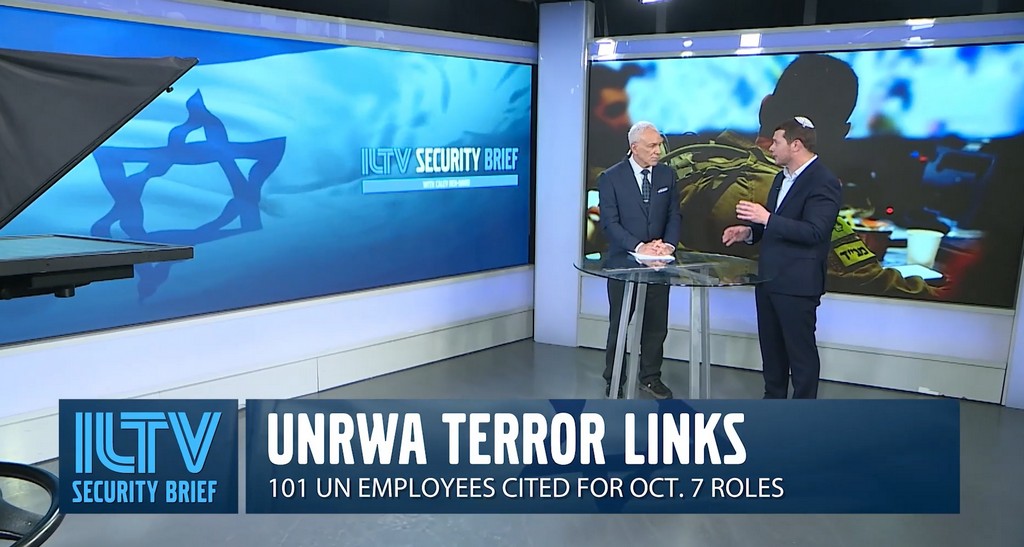
Finally he critiques the United Nations for its bureaucratic waste and infiltration by terrorist organizations, suggesting that democratic nations should disengage from the UN and create more effective alternative international frameworks.
The full interview took place on ILTV on June 10, 2026.
*The opinions expressed in Misgav publications are the authors’ alone.
Prof. Kobi Michael: An Israeli response should have been expected. That Iran launched its strikes in retaliation for Israel’s actions in Lebanon was something that Israel will not tolerate.
Despite Trump’s comments, it was important to look to the president’s actions, rather than his words, adding that even if Trump is not very happy about Israel’s response, he was likely to tolerate it.
Prof. Kobi Michael emphasized that Israel must maintain its sovereign right to defend itself and retaliate against Iranian and proxy attacks, even if this leads to friction with the U.S. administration.
He also expressed deep skepticism about reaching a deal with the current Iranian regime, insisting that any future agreement must explicitly require Iran to stop its public threats to destroy the State of Israel.
The full interview took place on ILTV on June 8, 2026.
*The opinions expressed in Misgav publications are the authors’ alone.
Elie Klutstein: The Iranian threat isn’t directed only at Israel, but also to the Americans and President Trump. Iran recognizes that the Lebanon issue is a friction point between Israel and the US, and it is trying to attack it in order to expand the split between the two countries They know Israel doesn’t want to stop its military campaign in Lebanon, and they are talking to President Trump, because they know he’s the one who can pressure Israel.
Trump doesn’t read the map well when it comes to the Iranians. He ought to have responded in a much firmer way to their aggressive acts in the Straight of Hormuz and when they attacked American ships and troops, and since he failed to do that – the Iranian are now bolder, and they have more courage to try expanding this method and force more concessions in the negotiations.
The full interview was published in Kan English, on June 8, 2026.
*The opinions expressed in Misgav publications are the authors’ alone.
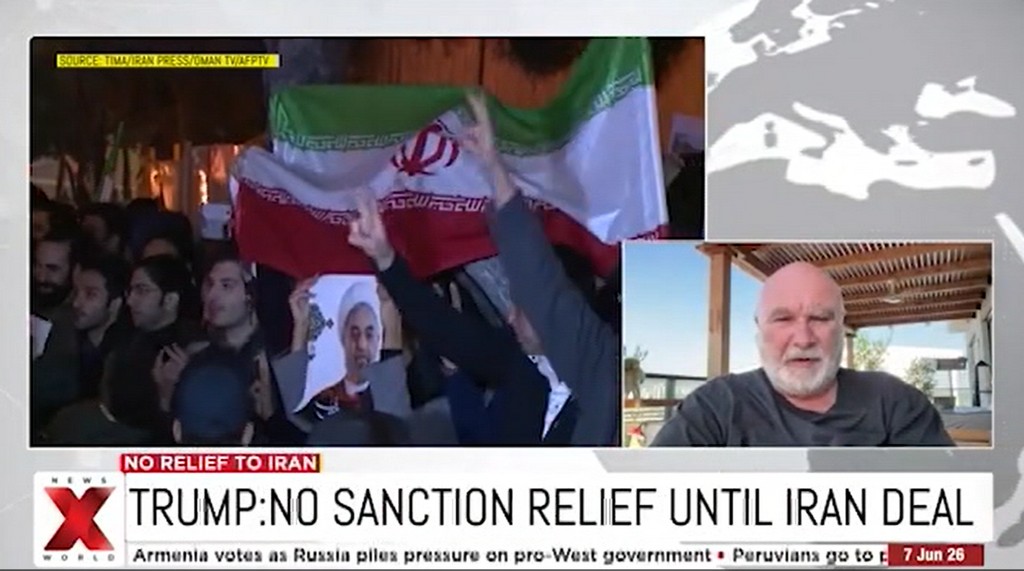
Prof. Kobi Michael analyzes the strategic dynamics between Israel and the U.S. regarding the Iranian nuclear threat, asserting that Israel may act independently if any future agreement allows Iran to retain enriched uranium or remain a regional threat.
He maintains that “waging peace” with the current Iranian regime is impossible and insists that the total removal of all enriched uranium and full facility inspections are non-negotiable prerequisites to prevent Iran from obtaining a nuclear bomb as “policy insurance” for its survival.
The full interview took place on NewsX World on June 7, 2026.
*The opinions expressed in Misgav publications are the authors’ alone.
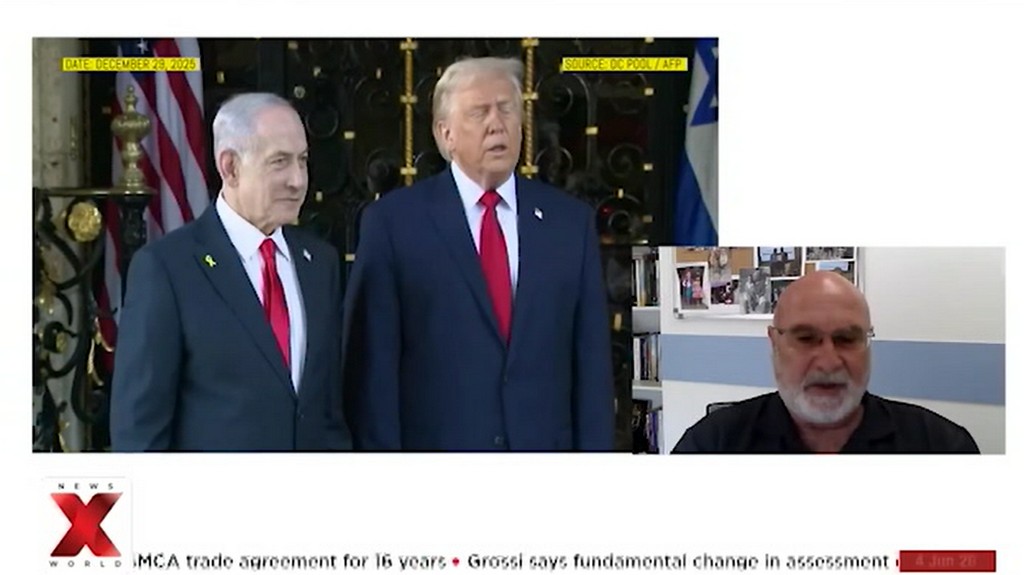
Prof. Kobi Michael argues that Israel must significantly weaken Hezbollah and dismantle Hamas’s military capabilities to ensure national security and restore sovereignty in neighboring territories.
He further emphasizes that Israel will take independent military action to retaliate against security breaches, even if such actions potentially lead to a diplomatic crisis with the United States.
The full interview took place on NewsX World on June 5, 2026.
*The opinions expressed in Misgav publications are the authors’ alone.