In the Media
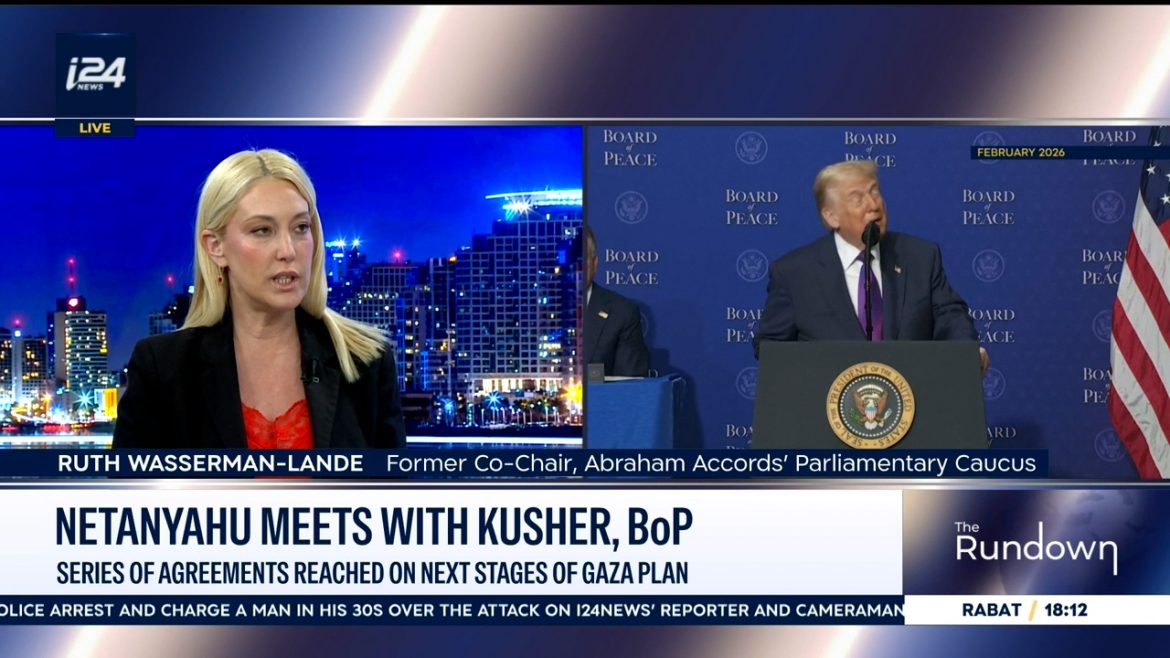
Ruth Wasserman Lande highlights the severe internal instability and systemic breakdown within Iran’s leadership while discussing the maritime tension with the United States regarding a new parallel shipping route to the Strait of Hormuz.
Despute stating that the Israeli Lebanese agreement is indeed Avery positive development, She expressed skepticism concerning the willingness/capability of the Lebanese army to disarm Haizballah.
The full interview took place on Channel I24, on July 2, 2026.
*The opinions expressed in Misgav publications are the authors’ alone.
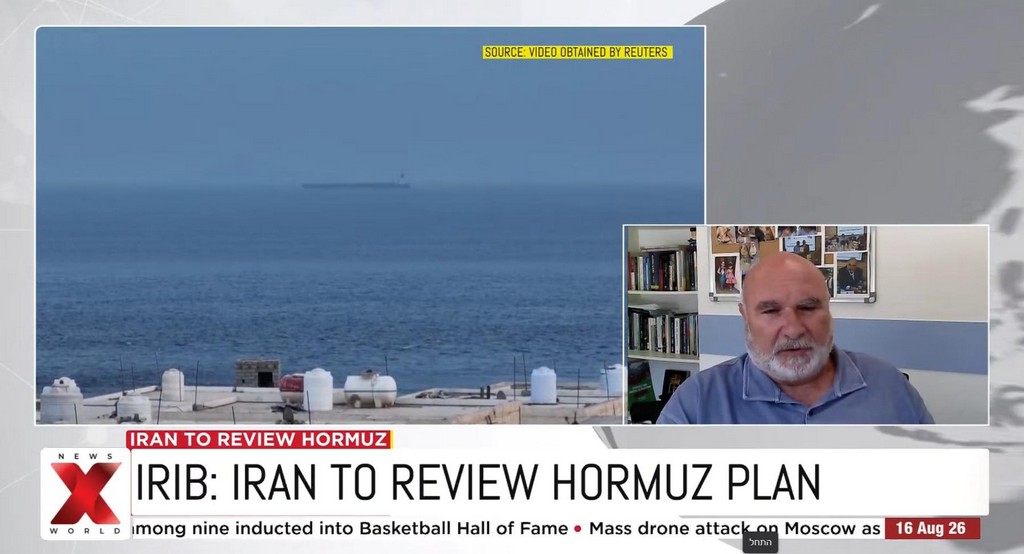
Prof. Kobi Michael discusses the strategic complexity of Israel’s multi-front war, arguing that while the IDF has achieved military success in places like Lebanon, political and international restrictions have prevented these gains from being translated into a final political victory.
He further emphasizes that Iran remains an existential threat to Israel and suggests that the Israeli government may eventually be forced to take unilateral military action against the Iranian regime if the United States does not lead a full-scale campaign to stop its nuclear and regional aspirations.
The full interview took place on ILTV on June 29, 2026.
*The opinions expressed in Misgav publications are the authors’ alone.
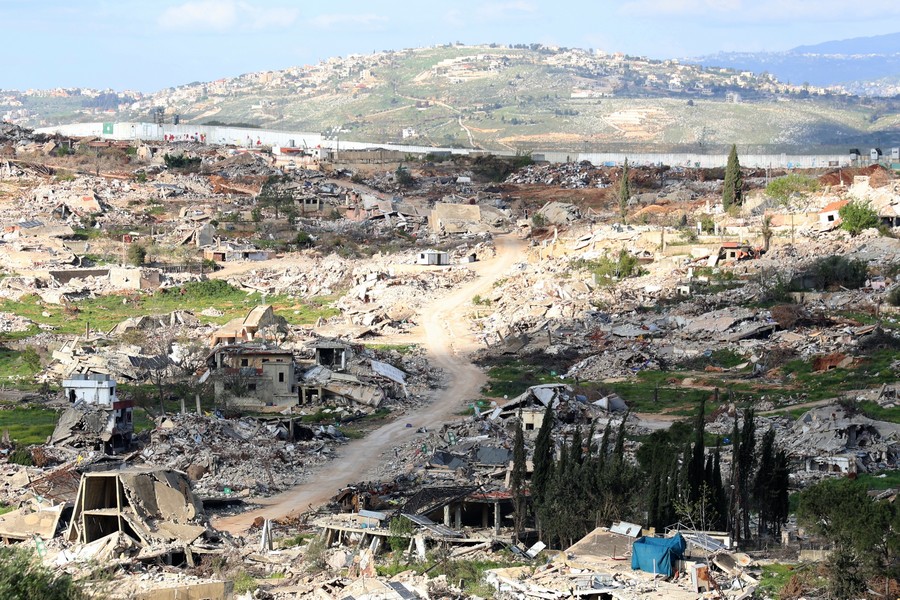
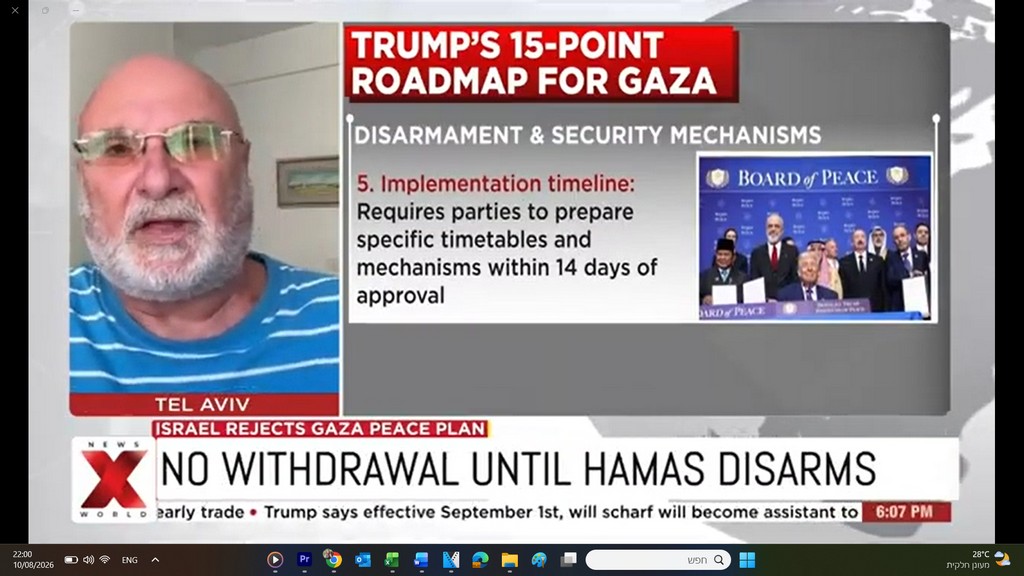
Prof. Kobi Michael discusses the unbridgeable gaps in negotiations between Iran and the United States, asserting that a final agreement is unlikely due to fundamentally conflicting demands and domestic pressures.
He also warns of potential regional escalation, noting that Israel will likely continue to confront Iranian proxies like Hezbollah to secure its borders and weaken Iran’s regional influence.
The full interview took place on NewsX World on June 26, 2026.
*The opinions expressed in Misgav publications are the authors’ alone.
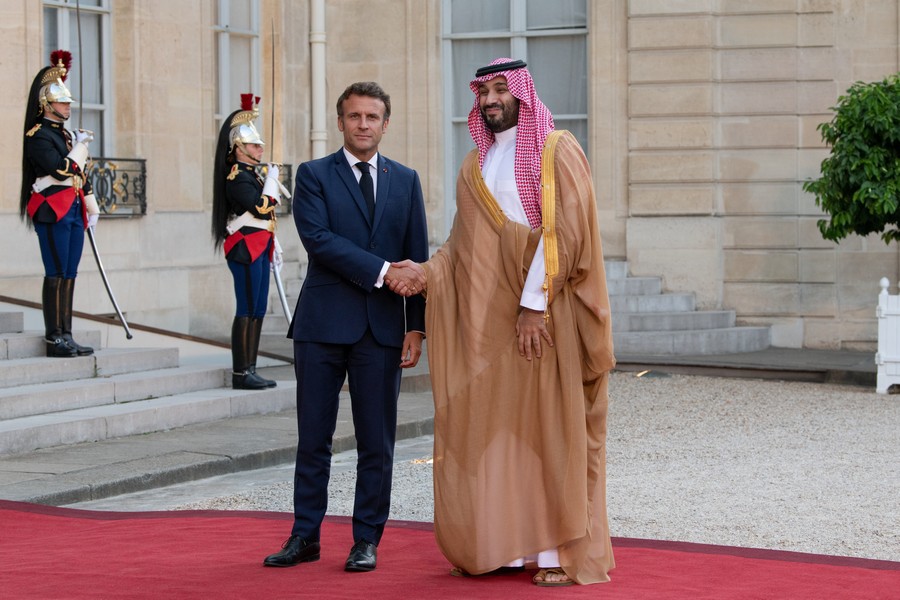
Asher Fredman criticizes a recent UN Commission report as a biased and “defamatory” document that ignores Hamas’s use of human shields while falsely accusing Israel of targeting children.
He argues that the UN serves as an “engine” for delegitimizing Israel and urges the United States and other allies to defund and disengage from the organization entirely.
The full interview took place on Channel I24, on June 24, 2026.
*The opinions expressed in Misgav publications are the authors’ alone.
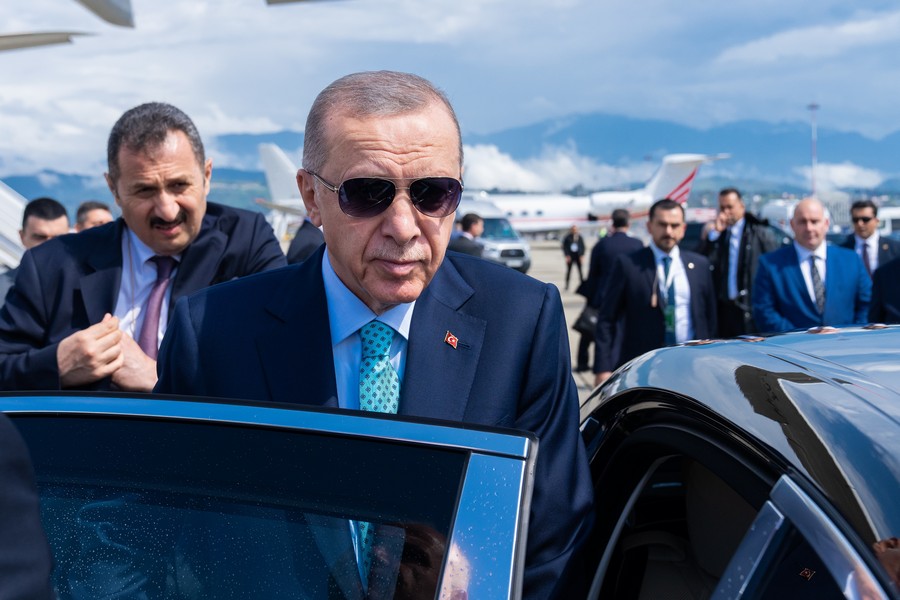
Prof Kobi Michael: The Israeli army’s goal is to increase its visibility. On the ground, there are so many demolished houses that it is hard to see far. To see, you need to go higher up. This is a tactical issue the Israeli army is dealing with; you need better monitoring in this area to prevent Hamas from rearming itself.
Published in The National News, June 25, 2026.
*The opinions expressed in Misgav publications are the authors’ alone.
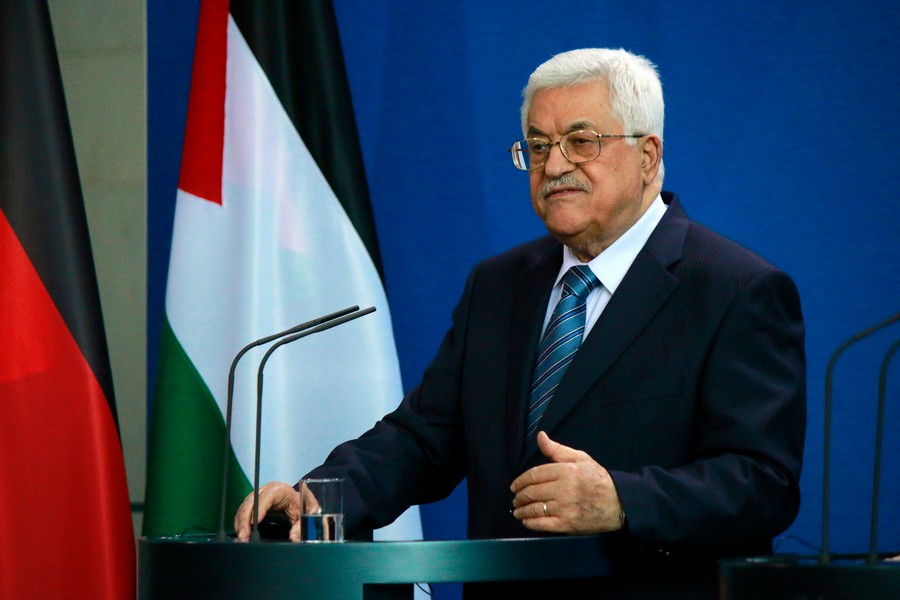
Prof. Kobi Michael analyzes Israel’s strategic efforts to dismantle terror infrastructure in both Gaza and South Lebanon, emphasizing that Israel must maintain its security autonomy despite public diplomatic friction with the United States.
He proposes a dual military and diplomatic approach where Israel continues to weaken Hezbollah while working toward an arrangement to eventually transfer control of specific enclaves to the Lebanese army under American supervision.
The full interview took place on ILTV on June 24, 2026.
*The opinions expressed in Misgav publications are the authors’ alone.
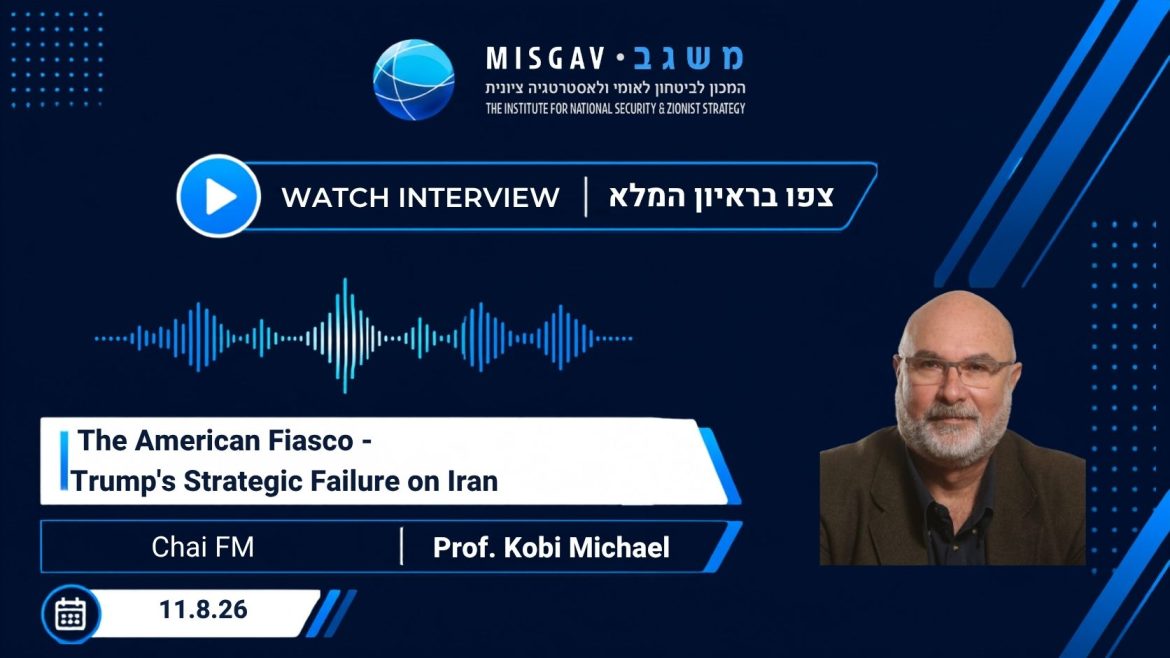
Asher Fredman: The Abraham Accords are entering a new phase. The first phase focused on bilateral relationships and proved remarkably resilient, particularly in trade and tourism, with Dubai remaining one of the most popular destinations for travelers departing from Ben-Gurion International Airport.
It’s time to move forward and realize the potential of the Abraham Accords 2.0. There are significant opportunities ahead for joint air defense initiatives, collaborative research, and artificial intelligence cooperation.
These words were spoken at the JNS conference on June 23, 2026.
*The opinions expressed in Misgav publications are the authors’ alone.
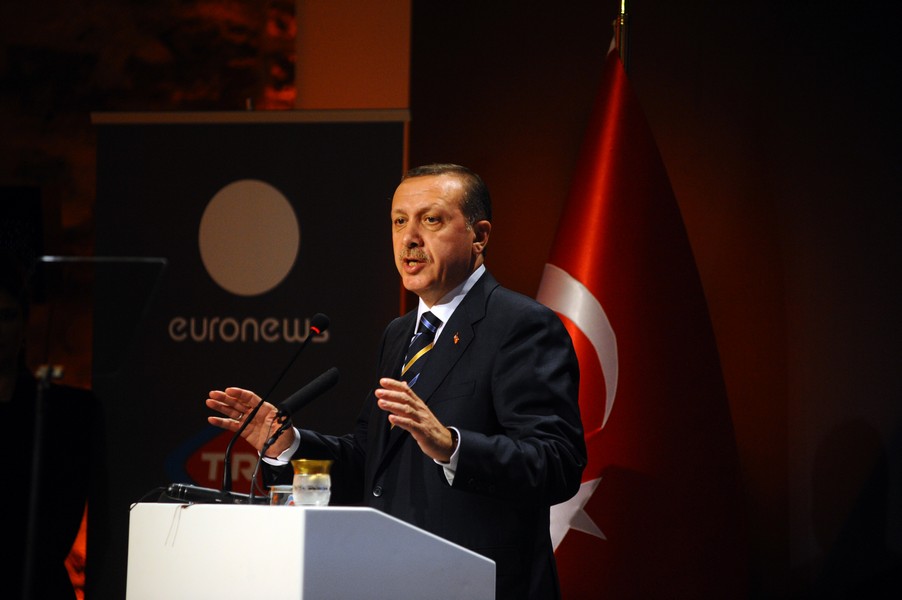
Prof. Kobi Michael expresses skepticism regarding the success of the current 60-day negotiation period, arguing that Iran is not an honest partner and that significant gaps remain between the two sides.
He emphasizes the need for dismantling the Fordo enrichment facility, implementing robust monitoring, and ensuring that any economic relief is strictly conditional on Iranian performance.
The full interview took place on Channel I24, on June 18, 2026.
*The opinions expressed in Misgav publications are the authors’ alone.
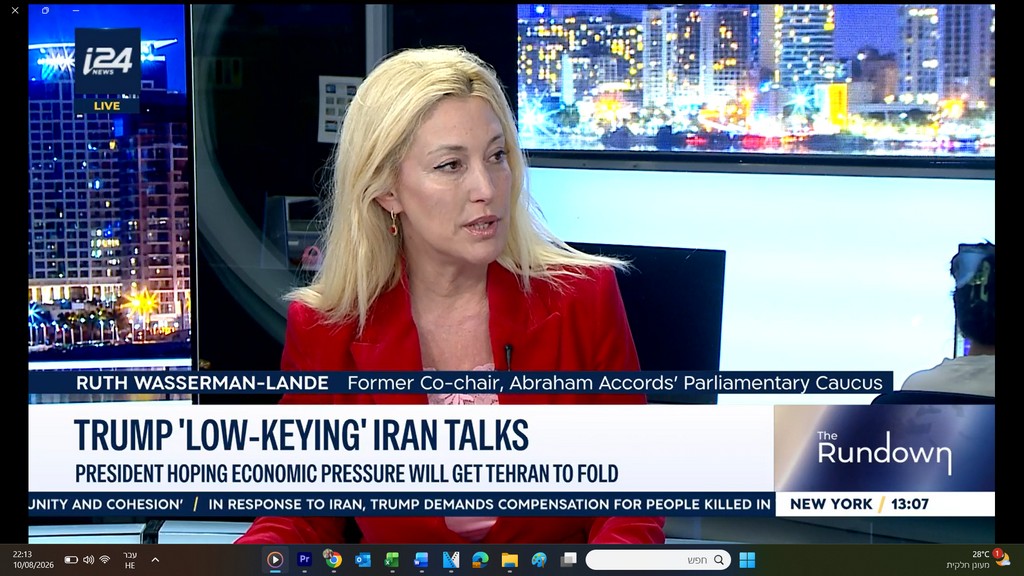
Prof. Kobi Michael discusses Israel’s disapproval of the MOU, emphasizing that Israel remains skeptical of the 60-day negotiation and is prepared to resume military action against threats in Lebanon and Iran.
He also highlights the friction in the U.S.-Israel alliance caused by diverging interests regarding Iran, while maintaining that both countries still share a fundamental commitment to preventing a nuclear-armed Iran.
The full interview took place on NewsX World on June 18, 2026.
*The opinions expressed in Misgav publications are the authors’ alone.