In the Media
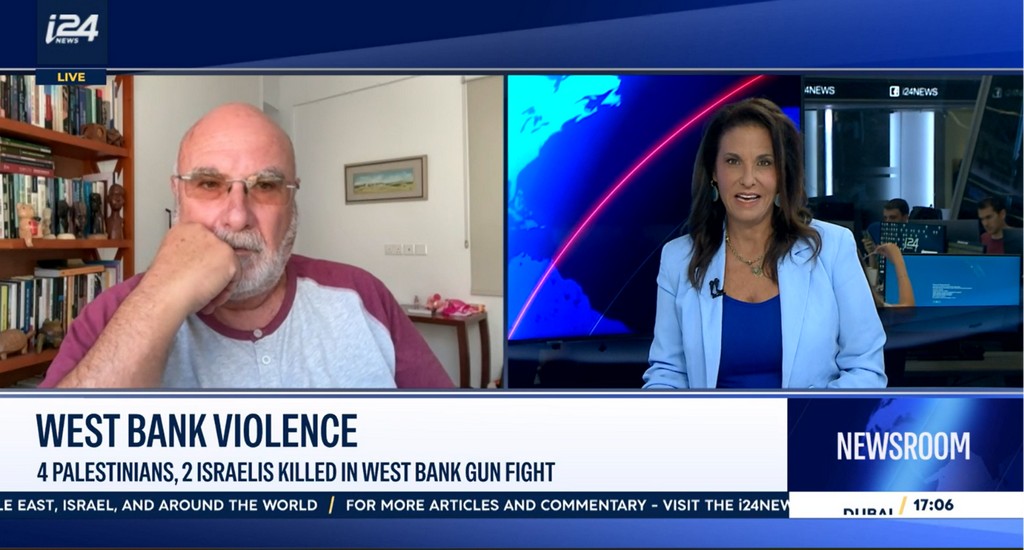
Ruth Wasserman Lande analyzes the potential diplomatic opening between the Trump administration and Iran, questioning whether it represents a weak surrender or a sophisticated tactical maneuver aimed at managing domestic political timing and stabilizing oil prices.
She expresses concern that the move feels like a “punch in the stomach” to Israel and other regional allies, yet suggests that Trump’s fundamental desire to be a “winner” may mean a deeper strategy is at play.
The full interview took place on Channel I24, on June 15, 2026.
*The opinions expressed in Misgav publications are the authors’ alone.
Prof. Kobi Michael clarifies that the upcoming MOU is only the beginning of a 60-day negotiation process and expresses skepticism regarding a successful final agreement due to deep gaps on nuclear and regional issues.
He further asserts that Israel must continue military action against Hezbollah to ensure its security, even if it causes tension with the United States administration’s diplomatic efforts.
The full interview took place on ILTV on June 15, 2026.
*The opinions expressed in Misgav publications are the authors’ alone.
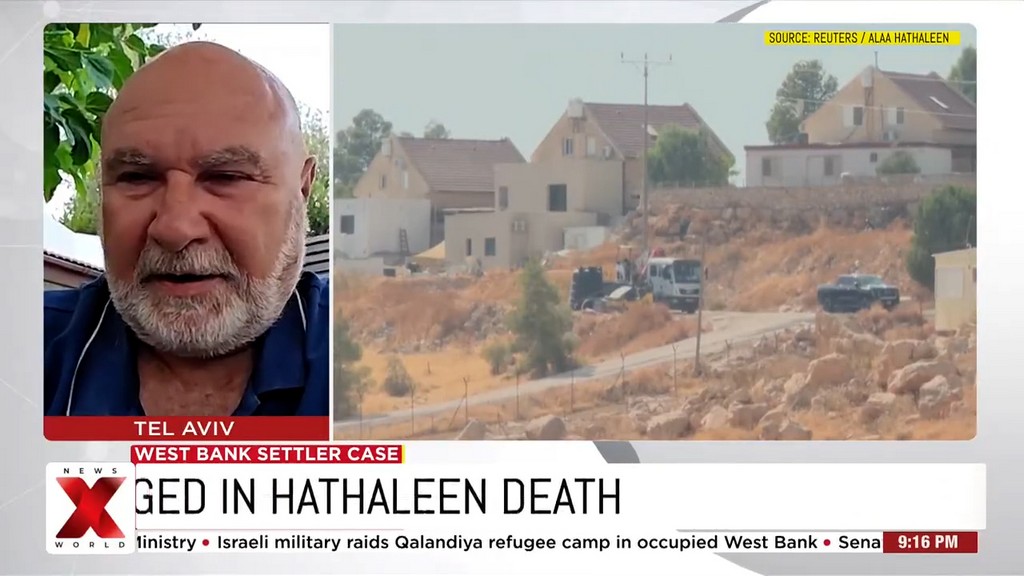
Meir Ben Shabbat: Firstly this is an MOU, which is essentially a temporary agreement for an interim period during which there will be in-depth discussions, and not a final agreement. The issues, especially the nuclear issue, have not yet been agreed on, and therefore it is not possible to compare it to the Obama agreement – we can only do so after the final agreement.
But even without waiting for the final agreement, what has already been agreed upon is enough to substantiate the concerns in Jerusalem,” Ben-Shabbat adds. “Firstly, an agreement with Iran – and this is true of any agreement – grants legitimacy to the extremist regime and gives it the most important thing for it: survival, hope and resources for reconstruction.
The full interview was published in Globes on June 15, 2026.
*The opinions expressed in Misgav publications are the authors’ alone.
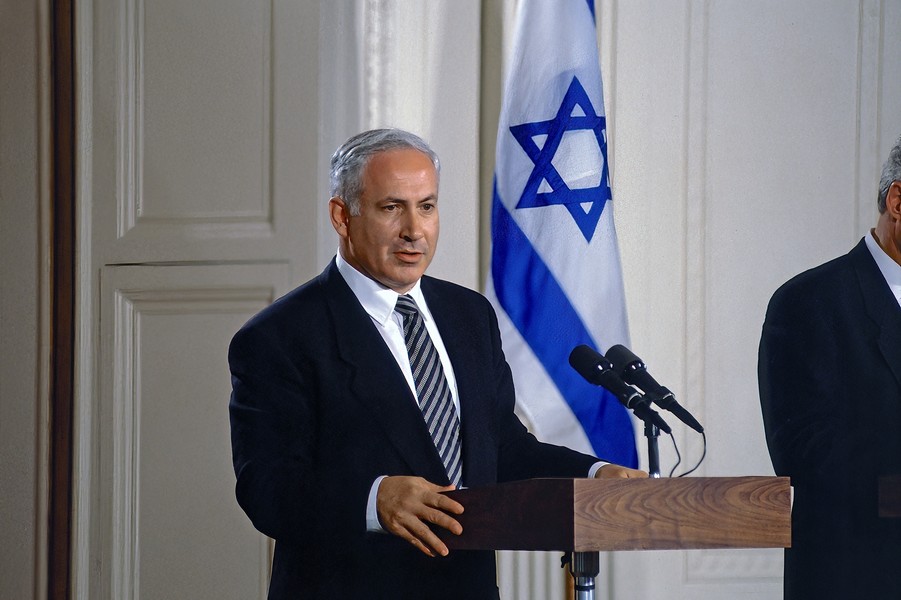
Dr. Rafael BenLevi argues that the proposed deal reflects American weakness and fails to address Israel’s primary security concerns, such as Iran’s nuclear program and missile capabilities.
He also warns that the involvement of hostile regional moderators like Qatar and Pakistan skews negotiations against Israeli interests, while emphasizing Israel’s determination to take independent action against grave national security threats.
The full interview took place on CNNnews18 on June 15, 2026.
*The opinions expressed in Misgav publications are the authors’ alone.
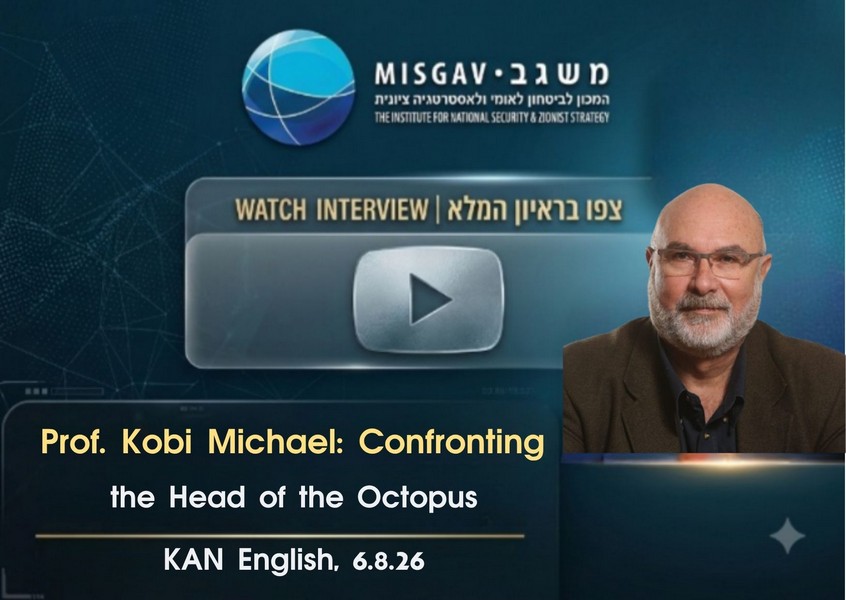
Prof. Kobi Michael: Abbas’s announcement was essentially the 90-year-old’s plan to use the “same maneuvers to run away from any significant reforms” and to maintain the “last drops of legitimacy.”
Abbas’s move might be more convincing for Western clients who are in favor of the Palestinians and support them under any conditions.
Published in The Jerusalem Post, June 14, 2026.
*The opinions expressed in Misgav publications are the authors’ alone.
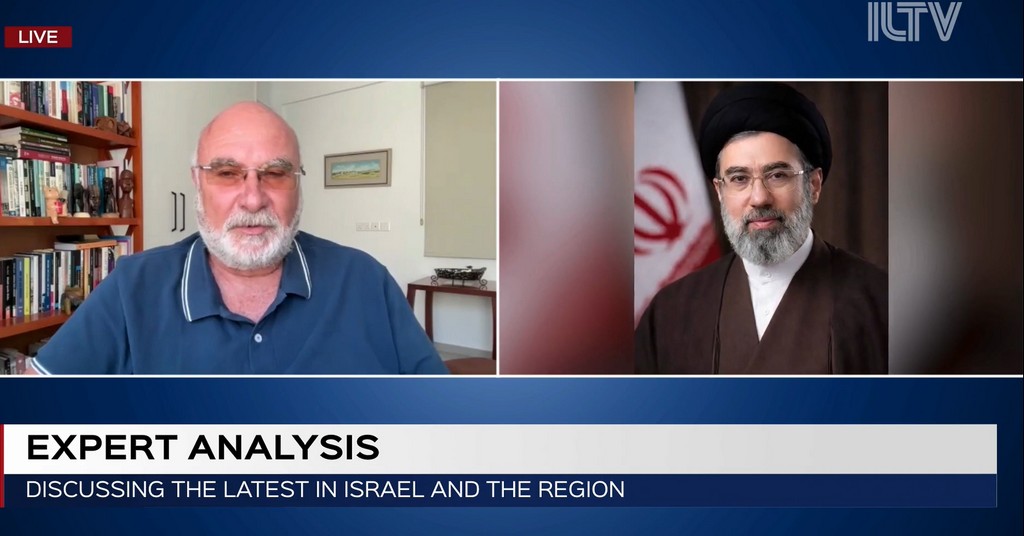
Prof. Kobi Michael argues that a two-state solution is currently unviable due to deep internal Palestinian divisions and their refusal to recognize Israel as a Jewish nation-state, suggesting instead a “new regional architecture” that addresses the Iranian threat.
He further contends that international recognition of a Palestinian state is counterproductive because it discourages bilateral negotiations and ignores the necessity of eliminating Hamas and reforming the Palestinian Authority.
The full interview took place on NewsX World on June 12, 2026.
*The opinions expressed in Misgav publications are the authors’ alone.
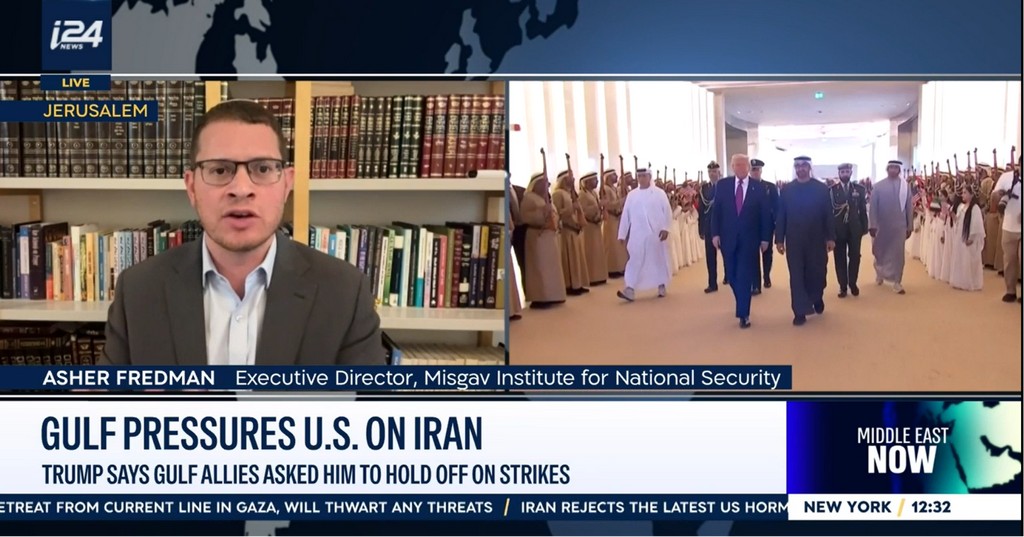
Dr. Yossi Mansharof: Hezbollah’s image as Lebanon’s protector collapsed long ago. But now its image as the protector of the Shiites is also beginning to crumble. Hezbollah is at a low point in terms of its legitimacy, both inside the country and within the Shiite community. This phenomenon bothers Hezbollah so much that it openly declares it is willing to go to civil war to change its weakening status in Lebanon. Unfortunately, Lebanon’s historical memory means the government and the public will do everything to avoid that. After all, Hezbollah is still the most armed and powerful body in the country.
Published in Israel Hayom, June 11, 2026.
*The opinions expressed in Misgav publications are the authors’ alone.
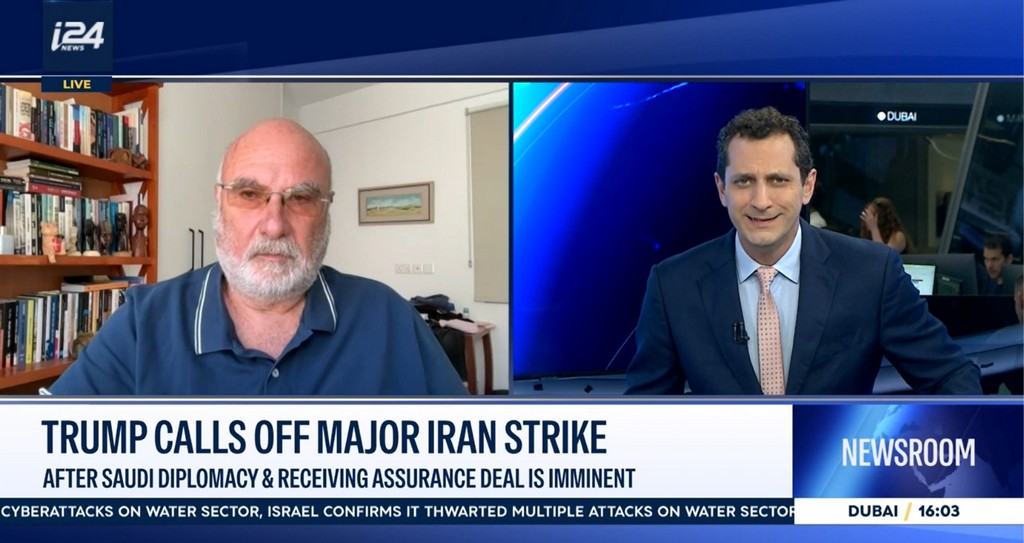
Asher Fredman emphasizes the necessity for Israel to respond with full force against Hezbollah leaders in Beirut while highlighting the existential threat posed by Iran’s nuclear ambitions and its regional terror proxies.
He discusses the resilience of the Abraham Accords and the evolution of a new U.S.-aligned regional architecture. He also advocates transforming Israel’s relationship with the U.S. from military aid to a broad strategic partnership.
Finally he critiques the United Nations for its bureaucratic waste and infiltration by terrorist organizations, suggesting that democratic nations should disengage from the UN and create more effective alternative international frameworks.
The full interview took place on ILTV on June 10, 2026.
*The opinions expressed in Misgav publications are the authors’ alone.
Prof. Kobi Michael: An Israeli response should have been expected. That Iran launched its strikes in retaliation for Israel’s actions in Lebanon was something that Israel will not tolerate.
Despite Trump’s comments, it was important to look to the president’s actions, rather than his words, adding that even if Trump is not very happy about Israel’s response, he was likely to tolerate it.
Published in NBC News, June 08, 2026.
*The opinions expressed in Misgav publications are the authors’ alone.