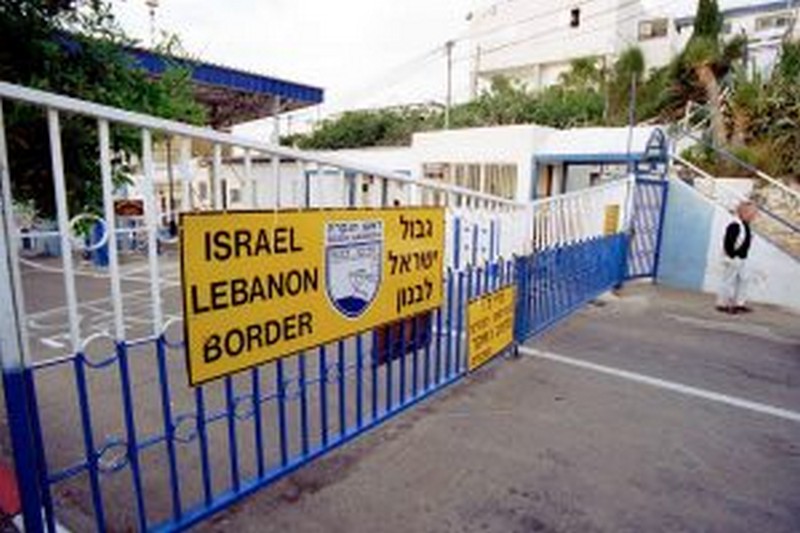
Prof. Kobi Michael: The military could manage escalation by striking Hezbollah rather than Lebanese targets.
I assume that Israel still prefers not to expand the war and to turn into all out war with Hezbollah, at least under the current circumstances when we are still busy in Gaza, and we haven’t built yet the agreement with the US. An all out war might be very risky as it could turn into a broader regional war with an active involvement of the Iranians. And here, Israel needs the US – mainly with regard to ammunition.
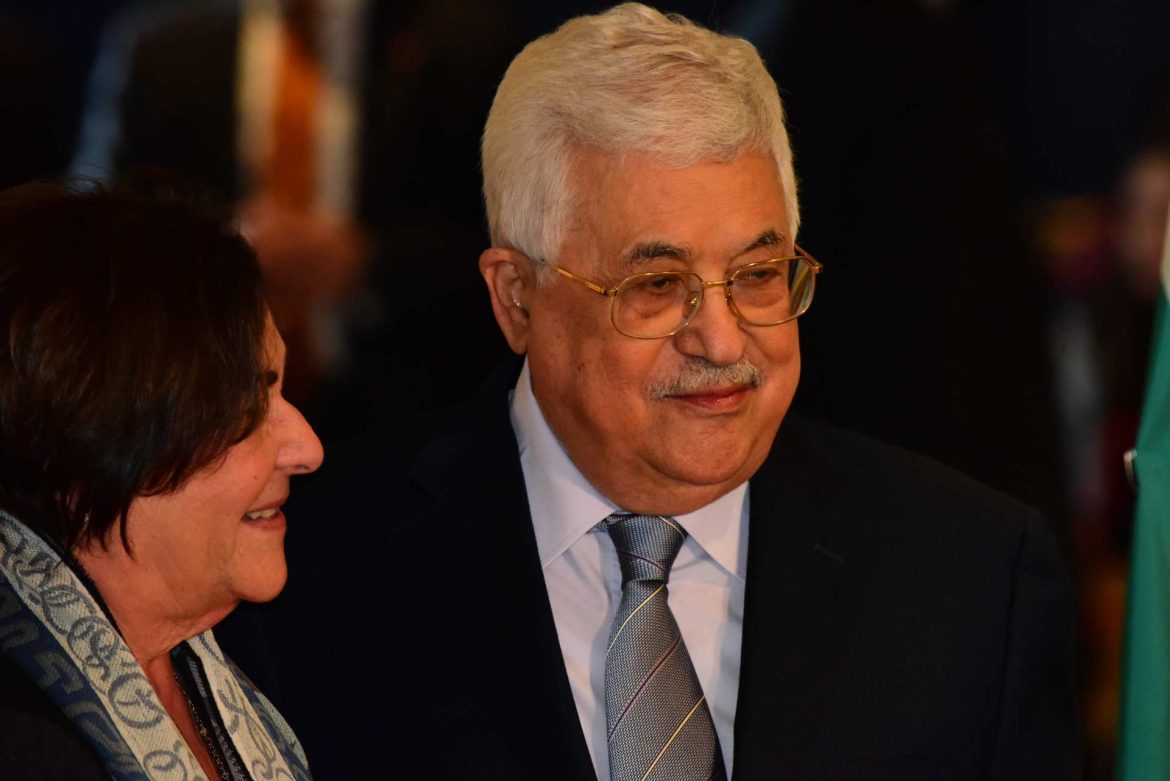
Meir Ben Shabbat: Both Fatah and Hamas made an effort to present China in a positive light. The agreement is full of holes will end like its predecessors.
Israel’s stance on such ideas and agreements should be firm and clear: Hamas is a monstrous terrorist organization and Israel will continue to pursue Hamas terrorists in every setting and in every guise in which its forces appear.
Dr. Adi Schwartz: It is not clear that a deal is possible. Such a deal might complicate Israel further. It will be very difficult for Israel to resume the war effort after several weeks of cease-fire, and all the hostages will never be released. Hamas will keep the hostages as an insurance policy.
During a recent briefing in Brussels, Ruth Wasserman Lande, a Research Fellow at the Misgav Institute for National Security, former Deputy Ambassador of Israel, and former Member of the Knesset, provided an in-depth analysis of the growing influence of radical Islamic ideologies in Western cities, with a particular focus on London.
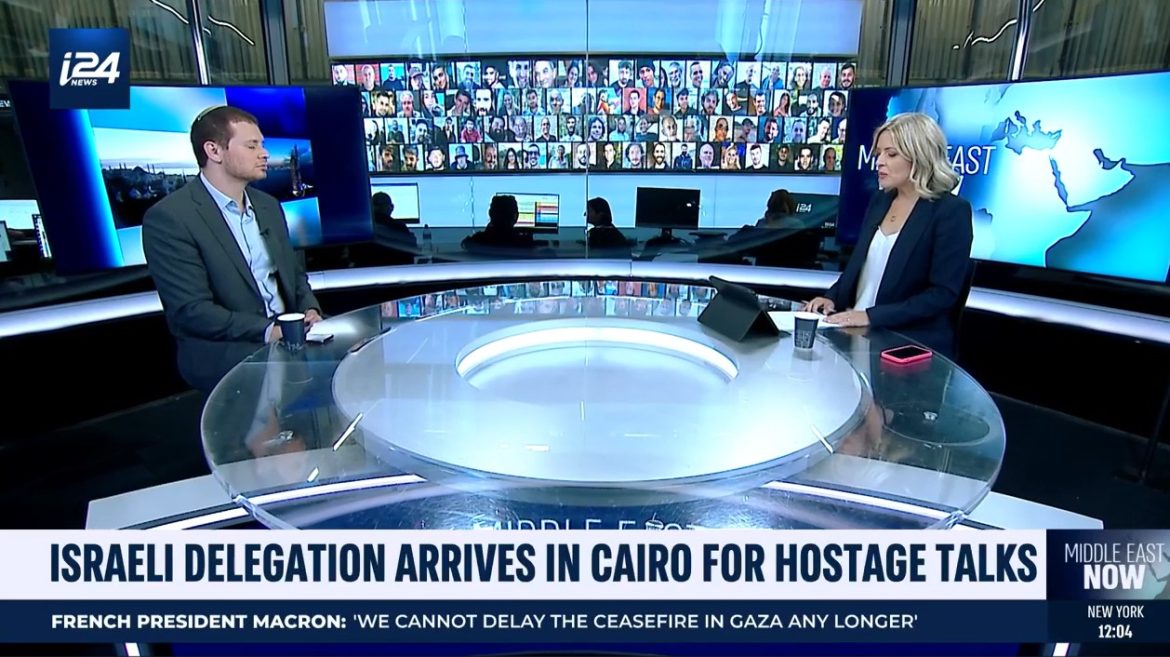
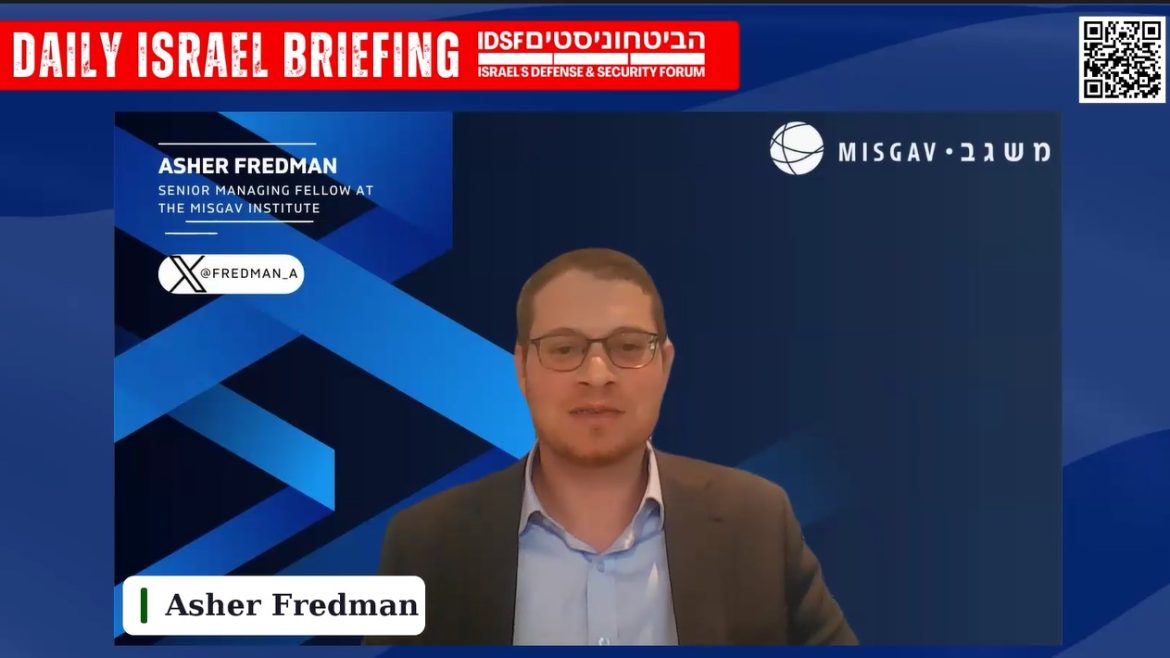
Asher Fredman: Israel is facing extremely difficult dilemmas. We all want the hostages home as soon as possible, but there remain questions about the details of the proposed deal that are critical for Israel’s future security. Hamas is under military pressure, but still has more than 10,000 armed fighters in its ranks. July 17. 2024.
Asher Fredman discusses the state of the Abraham Accords and the interests that Saudi Arabia and the UAE have in Gaza. He also talks about the considerations when negotiating a deal with Hamas.
Prof. Kobi Michael: It is an event with significant cognitive impact, which definitely affects Hamas members wherever they are, but Hamas is more than the sum of its parts. Hamas is a well-established, organized and determined jihadist entity that has previously endured severe losses among its key leaders and knowledge hubs.
Brig. Gen. (res.) Yossi Kuperwasser: The report leaves many questions unanswered, a comprehensive understanding requires looking at the entire military operation in and outside Kibbutz Be’eri — before, during, and after the October 7 attack.
Col. (res.) Dr. Hanan Shai: The investigation is no more than a technical investigation. It is a crystal clear and bleak picture of what happened there. But from the report, you cannot understand how it happened, what mistakes were made—nothing on the strategic level.
Prof. Kobi Michael: Unfortunately, this is the very troubling situation that any place we are leaving, after occupying and clearing it, Hamas goes back.
While it was unlikely the Israeli military would be able to entirely eliminate Hamas’ presence in the enclave, it was possible to end the militant group’s control over Gaza.
Israel’s intensified operations in Gaza are likely to be at least in part driven by a bid to put pressure on Hamas amid negotiations for a cease-fire deal.
The interview took place on NBC NEWS on July 11, 2024.
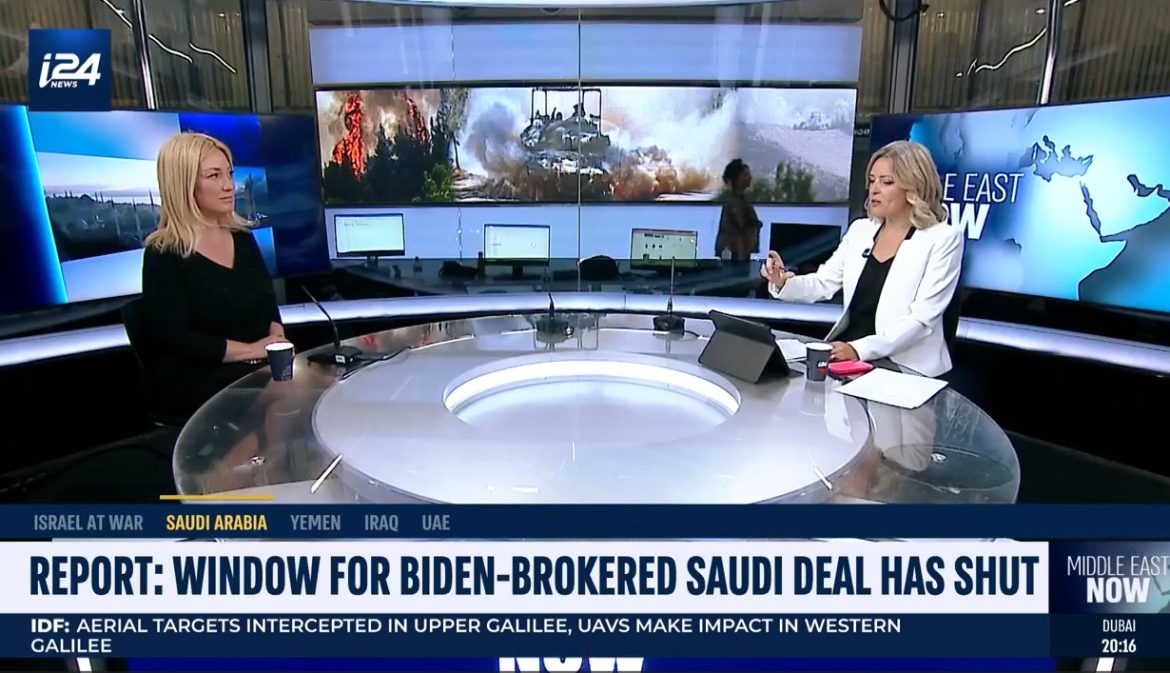
Asher Fredman: It would be better for Israel, and for the US, to wait to advance a normalization agreement until after the US elections, whatever the outcome.
Ruth Wasserman Lande: The Saudis need to see a strong and stable Israel, one that has the upper hand with the Palestinians. And they are waiting to see who will hold the reins in the US after the elections.
The interview took place on the I24 channel on July 11, 2024.