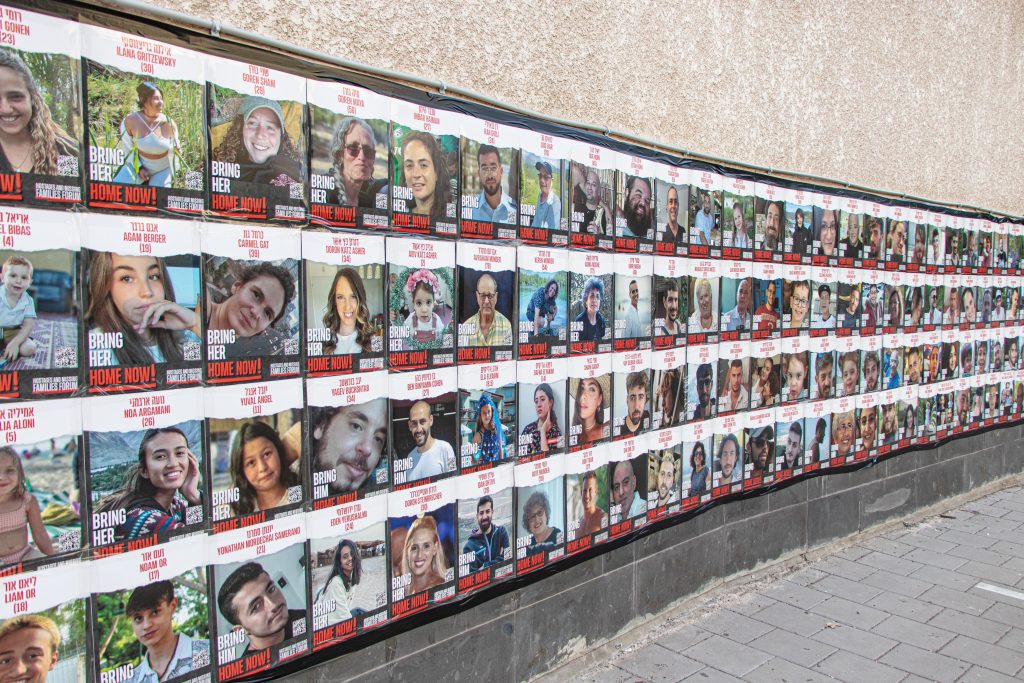
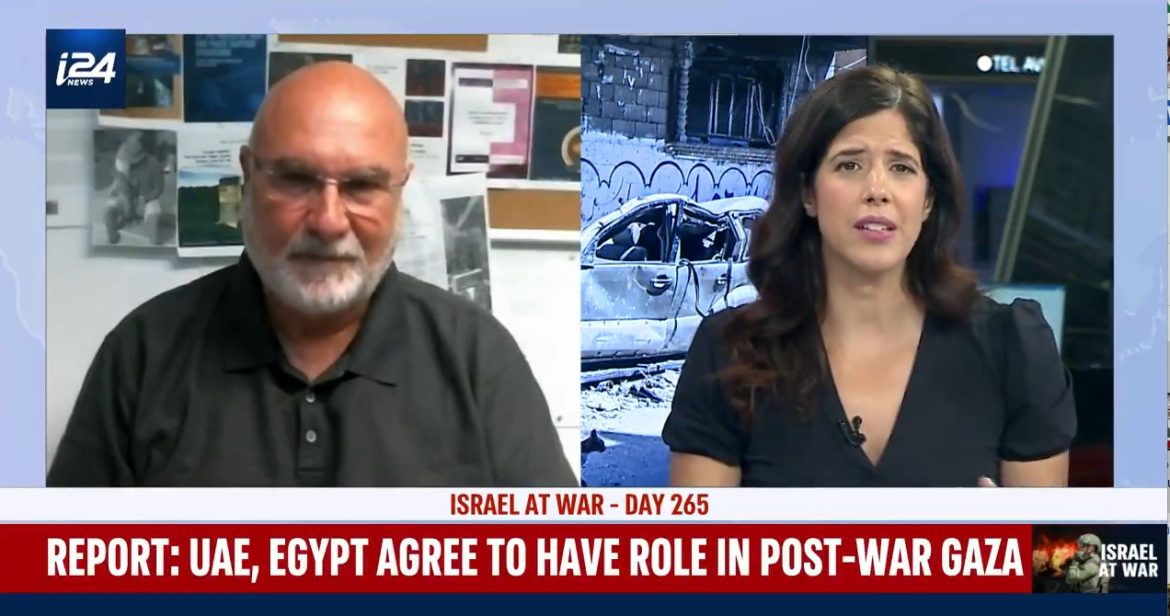
Prof. Kobi Michael: Even if we reach an agreement with Hamas and get the hostages, there is a very high probability that this agreement will be breached in the second phase, maybe even in the first phase, and then we will find ourselves in another collision.
Moshe Fuzaylov: There is no such thing as the day after. This is not some reality show with an instant star that is born. The day after is a process that will last for many years. Despite the darkness and the tragedy, a thriving area could be born.
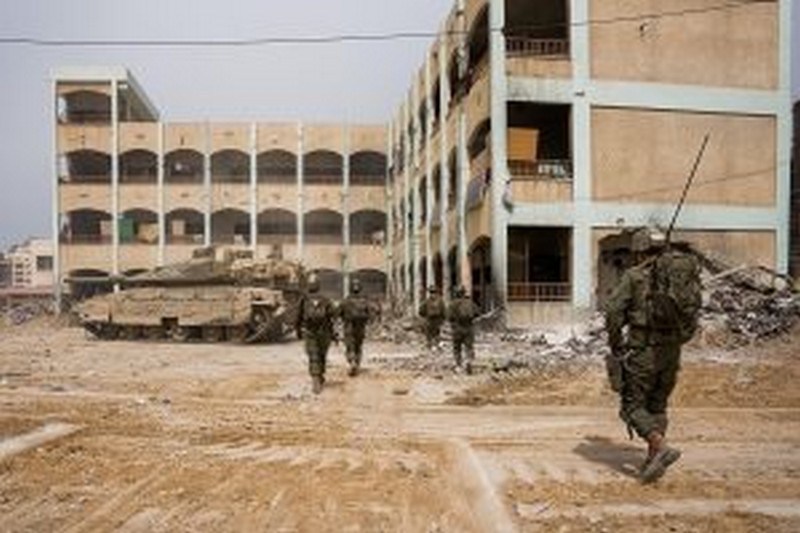
The operation was not conducted in a way that showed decisiveness. The use of raids as a means does not fit the goal. When fighting a guerilla organization, if one does not control the territory, the guerilla fighters come back. Gaza should have been completely conquered from the beginning and controlled by Israel, … including being responsible for the civilian population.
Asher Fredman: it doesn’t appear the Biden administration is going to hold back munitions that Israel needs. I think Israel is not particularly counting on the U.S. to help beyond that.
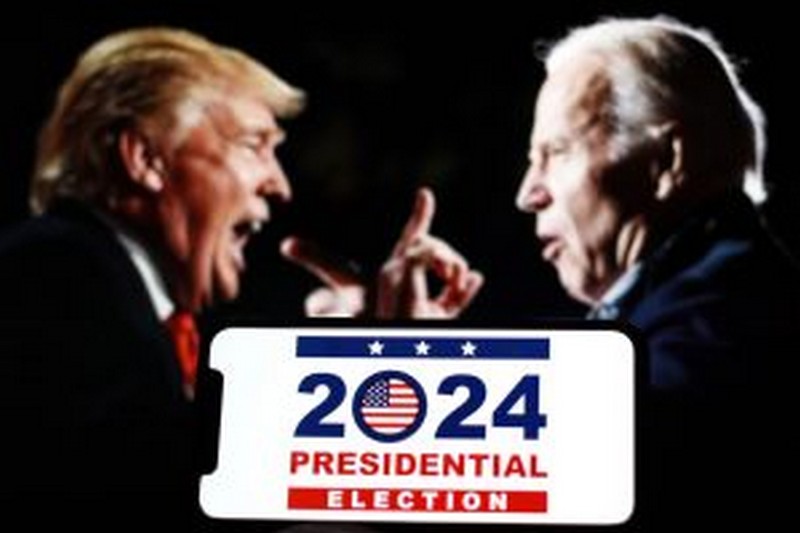
While President Biden’s performance at the debate may not directly impact Israel’s short-term calculations with regards to Hezbollah, it may well encourage Iran to use the next half year to advance its nuclear weapons program. In such a case, Israel will be forced to decide whether it is prepared to act militarily against Iran’s nuclear program, which would likely lead to a high-intensity war with Hezbollah as well.
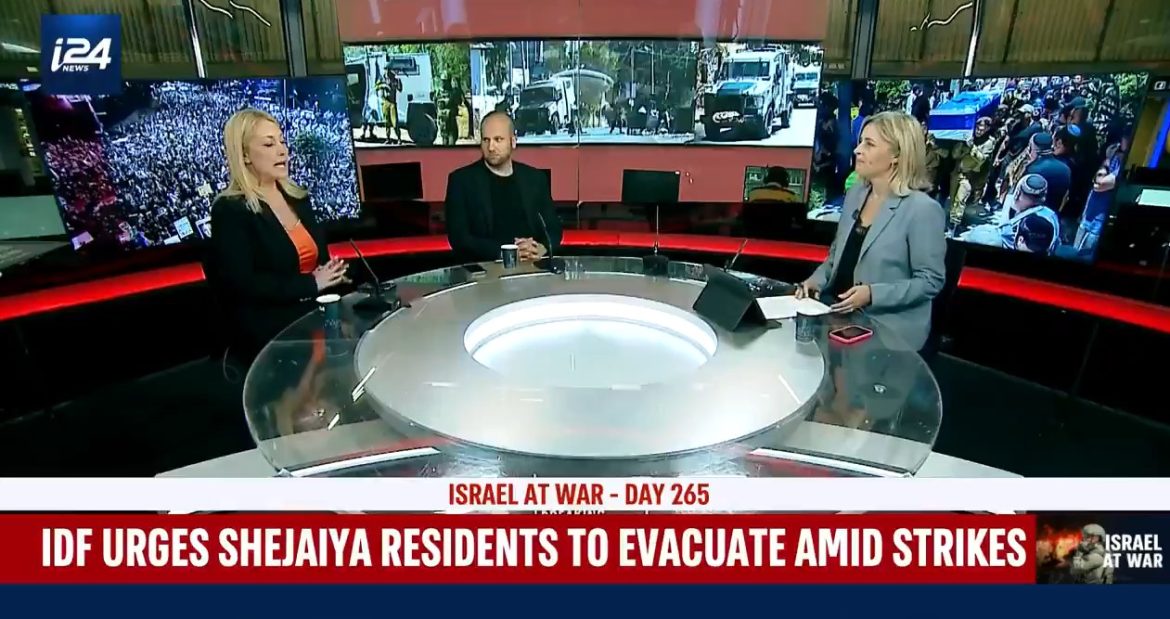
Prof. Kobi Michael: I think that those who are very frustrated [From the release of the hospital’s director] are very right. It was a mistake, first of all because Shifa hospital became to be a symbol, and it was introduced as the ultimate symbol, or if you want the ultimate manifestation of the brutal use of Hamas of civilian facilities, mainly hospitals. We sieged the hospitals in the first phase of the war [for] several days, and in the second phase three weeks, and in the third phase we entered and surprised Hamas there in the compound. Everybody understands that the main principal [director] of this hospital was fully aware to the idea that Hamas compound was built just beneath the hospital.
The interview took place on the ILTV channel on July 1, 2024.
Asher Fredman: The Middle East is safer and peace is more likely when the US is seen as strong on the world stage. Even before the debate, the US did not appear to be strong on the world stage. Because of Biden’s lackluster performance, it’s unlikely that China, Iran or Russia will feel that the US has the resolve to counter their designs in the Middle East.
Prof. Kobi Michael: Hamas and other Gazan terrorists ‘still believe that time works in their favor. They pray five times a day for a broader war to break out in the northern front.
The interview took place on channel I24 on June 27, 2024.
Col. (res.) Dr. Hanan Shai: In recent years, there has been criticism of the unprepared Israeli soldier. The current war proved otherwise in very well-trained and well-equipped soldiers. However, it is important to remember that Hezbollah will be fighting on its home turf, giving them a huge advantage. Adding to the challenge is the very mountainous terrain in southern Lebanon and the likely existence of tunnels and mines in many areas. It is hard to overestimate the value of US assistance to Israel, and an attack on Hezbollah cannot be done without advance coordination with the US. US support for such an attack will depend on how it assesses Israel’s ability to succeed in such an attack.
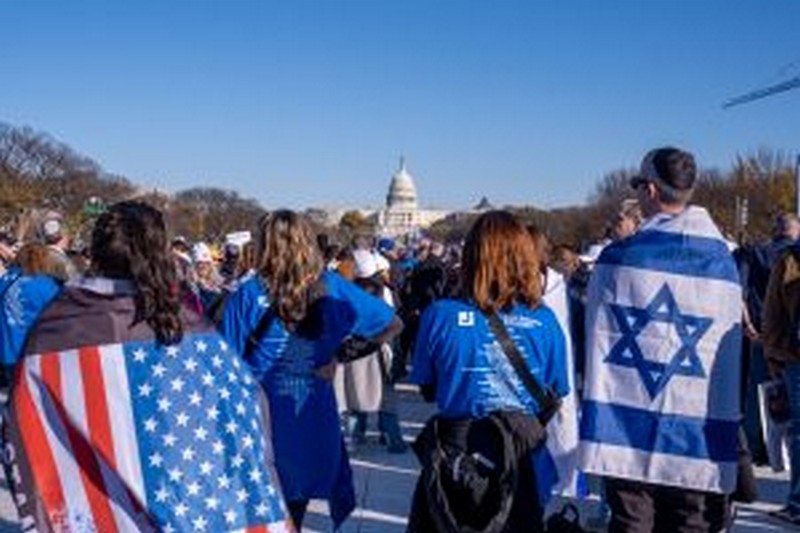
Prof. Kobi Michael: There are significant gaps between the American and Israeli positions on the war in Gaza. Israel has made mistakes, and the prime minister has often publicized issues that should have remained private, but I believe the US has an erroneous understanding of the conflict. The US doesn’t understand Hamas and wants to believe a cease-fire will solve everything — the conflict with Hezbollah, with the Houthis, with Iran. They insist on ending the war in Gaza at any price, even to the extent of going against Israeli interests.