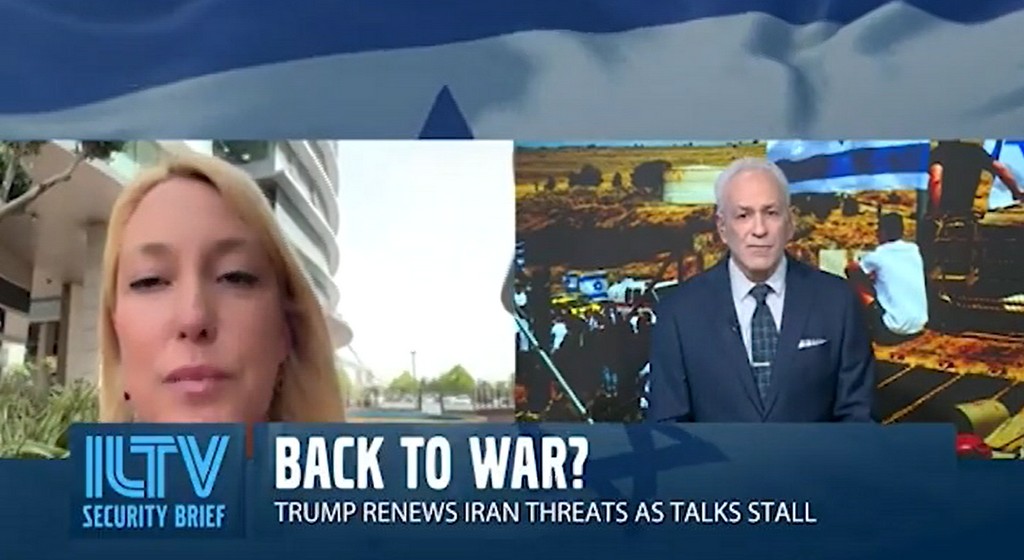
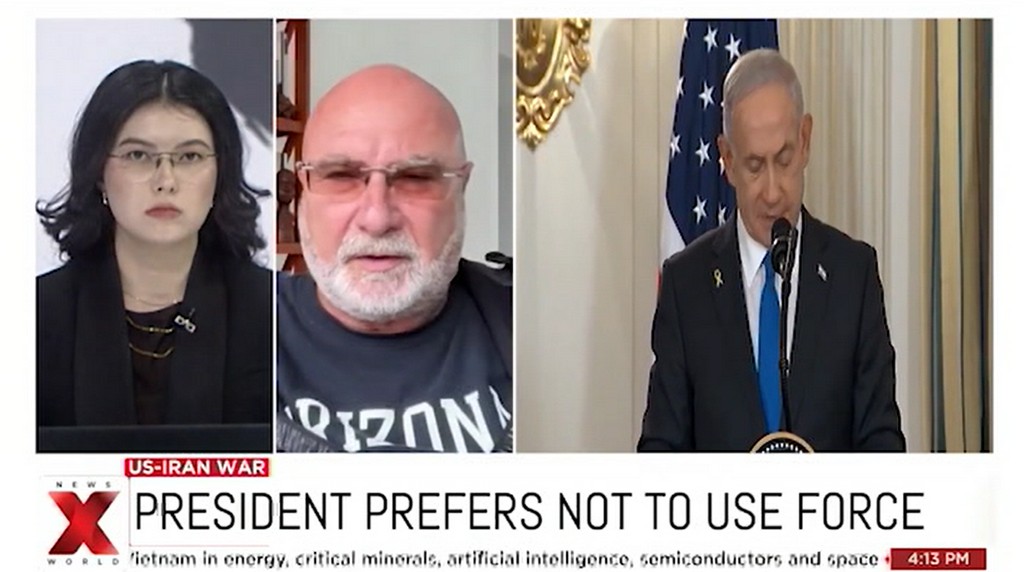
Ruth Wasserman Lande explains that the U.S. aims to restore its global hegemony by countering Chinese economic influence and securing strategic trade routes while maintaining pressure on the Iranian regime.
She also warns of the “sabotage” of Western institutions through infiltration by extremist foreign interests and advocates for legislation to protect democratic values from these influences.
The full interview took place on ILTV on May 18, 2026.
*The opinions expressed in Misgav publications are the authors’ alone.
Prof. Kobi Michael: Hezbollah fighters no longer operate in direct proximity to Israeli troops, and areas under Israeli control no longer contain Shiite communities that previously provided operational access.
The fact that they are carefully monitored by the IDF they are not able to reach physically to the soldier. Any such operations, would more likely target Israelis or Jews abroad — though carrying them out today would be significantly more difficult.
Hezbollah’s return to its Iranian identity underscores a larger strategic reality: Lebanon’s Hezbollah problem cannot be separated from Iran itself.
Ultimately weakening Hezbollah means weakening Iran.
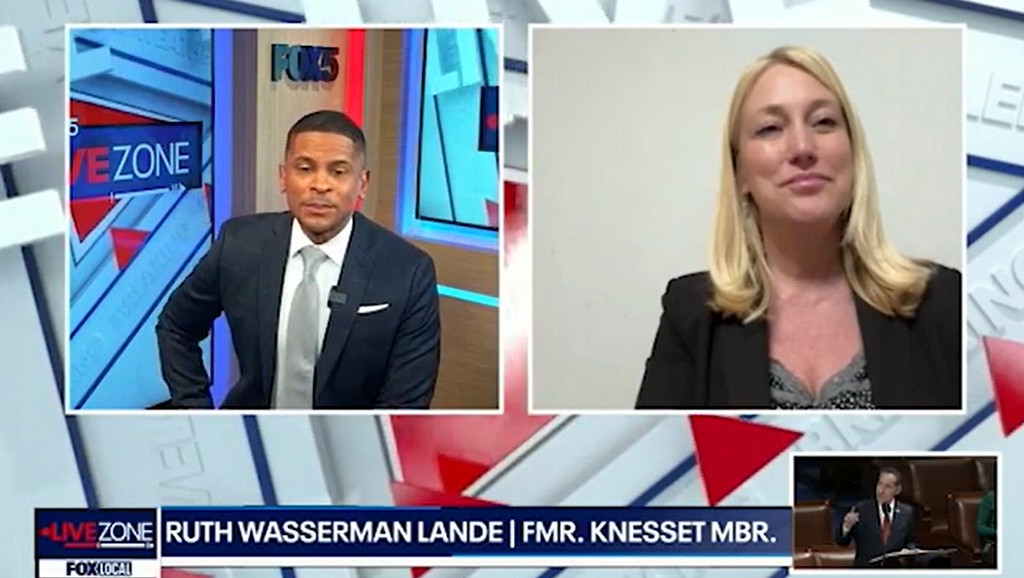
Ruth Wasserman Lande describes a global geostrategy where the United States is securing key maritime passageways to counter China’s influence while managing regional threats from the Iranian regime.
She also emphasizes the importance of U.S.-Israel coordination in “chipping away” at Iran’s leadership and addressing the activities of its terrorist proxies, such as Hezbollah and Hamas.
The full interview aired on Fox News on May 14, 2026.
*The opinions expressed in Misgav publications are the authors’ alone.
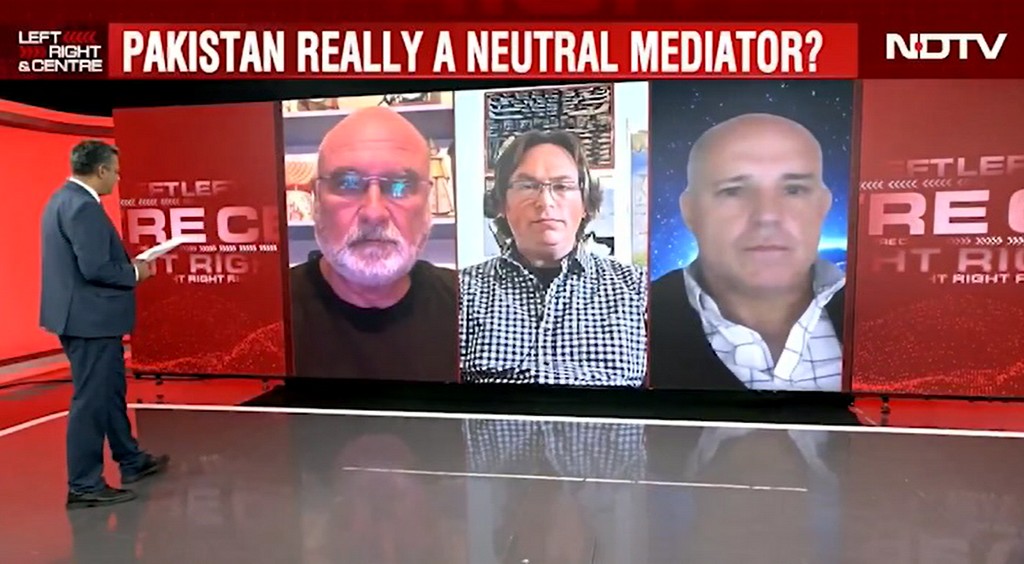
Prof. Kobi Michael expresses skepticism regarding Pakistan’s role as a mediator between the U.S. and Iran, arguing that Pakistan is driven by its own domestic interests and regional commitments rather than a desire for peace or stability.
He further cautions that the United States should rethink its relationship with Pakistan, noting that the U.S. has failed to learn from past instances where Pakistan’s actions contradicted American interests, such as during the hunt for Osama bin Laden.
The full interview aired on NDTV on May 13, 2026.
*The opinions expressed in Misgav publications are the authors’ alone.
Prof. Kobi Michael: The UAE’s alignment with Israel and the United States appears increasingly deliberate, though the full operational scope of that cooperation has not been officially confirmed.
There is very close intelligence, security, and strategic cooperation between both countries. They are also very close to the United States, creating a sort of triangle between the US, Israel, and the UAE. They understood that they had to make a strategic choice, and they did not hesitate. They chose to align with the Americans and with Israel.
They do not try to conceal their relations with Israel. On the contrary, they believe these relations strengthen their security and regional position.
The full interview was published on The Media Line on May 6, 2026.
*The opinions expressed in Misgav publications are the authors’ alone.
Negotiations are set to begin this month for a new memorandum of understanding between the United States and Israel that would phase out military aid grants. This outcome will ultimately strengthen Israel, and have a beneficial effect on Israel’s broader national security and its ability to defend itself.
Israel will increase its own defense spending. While it may come at the expense of other government ministries, it will not destabilize Israel’s budget. The amount of US military aid has been steady for decades and in earlier years accounted for a much higher proportion of Israel’s defense budget than it does today, as Israel’s GDP has grown significantly.
The full interview was published in Allisraelnews on May 6, 2026.
*The opinions expressed in Misgav publications are the authors’ alone.
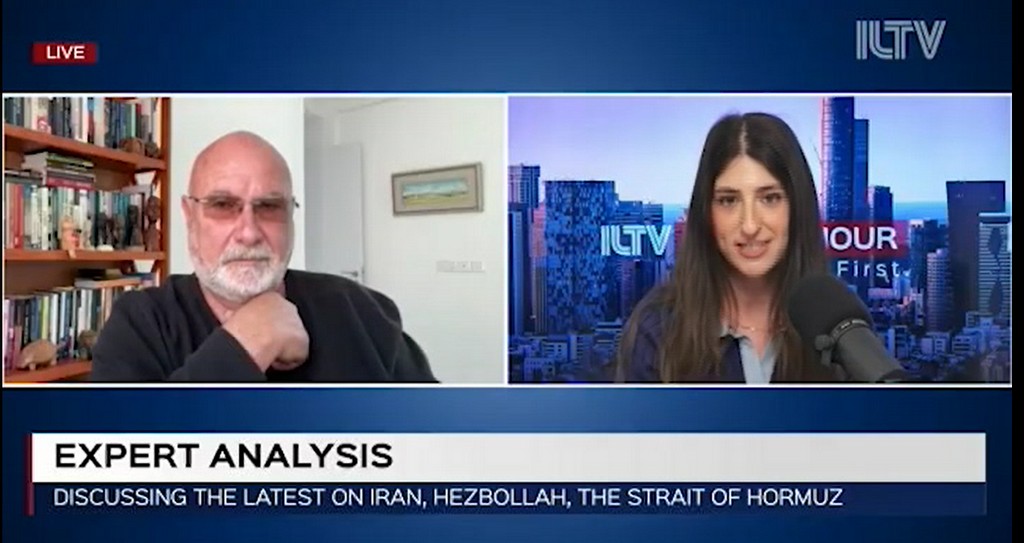
Prof. Kobו Michael argues that the conflicts in Iran and Lebanon are deeply interrelated, necessitating an expanded Israeli military campaign north of the Litani River to effectively disarm Hezbollah and secure northern border communities.
While acknowledging the United States’ overwhelming naval dominance in the Strait of Hormuz, Michael emphasizes that Israel remains skeptical of negotiations and may support a resumed military offensive if diplomacy fails to halt Iran’s nuclear program and proxy support.
The full interview took place on ILTV on May 4, 2026.
*The opinions expressed in Misgav publications are the authors’ alone.
Prof Kobi Michael: This is not political – it’s a security strategy. Israel needs security buffer zones in order, firstly, to distance the threat and, secondly, to clean the area to ensure it will not be used to launch terror attacks against Israeli communities. Unfortunately there are no political agreements, no diplomatic measures that can prevent such terror attacks.
Israel is aiming for a strong Middle East, but upheld by a different regional architecture in which Israel will be deeply embedded. 10 years from now, perhaps a lot sooner, Israel will have withdrawn from the buffer zones and Lebanon and Syria will be signatories to the Abraham Accords.
The full interview was published in The Telegraph on May 4, 2026.
*The opinions expressed in Misgav publications are the authors’ alone.
Prof. Kobi Michael discusses Israel’s strategic capacity to manage a multi-front war and its preference for coordination with the U.S. to address Iran as a global threat.
He expresses skepticism toward diplomatic negotiations due to unbridgeable gaps with the Iranian regime, maintaining that regional stability requires neutralizing Iran’s support for its proxies.
The full interview took place on NewsX World on May 01, 2026.
*The opinions expressed in Misgav publications are the authors’ alone.