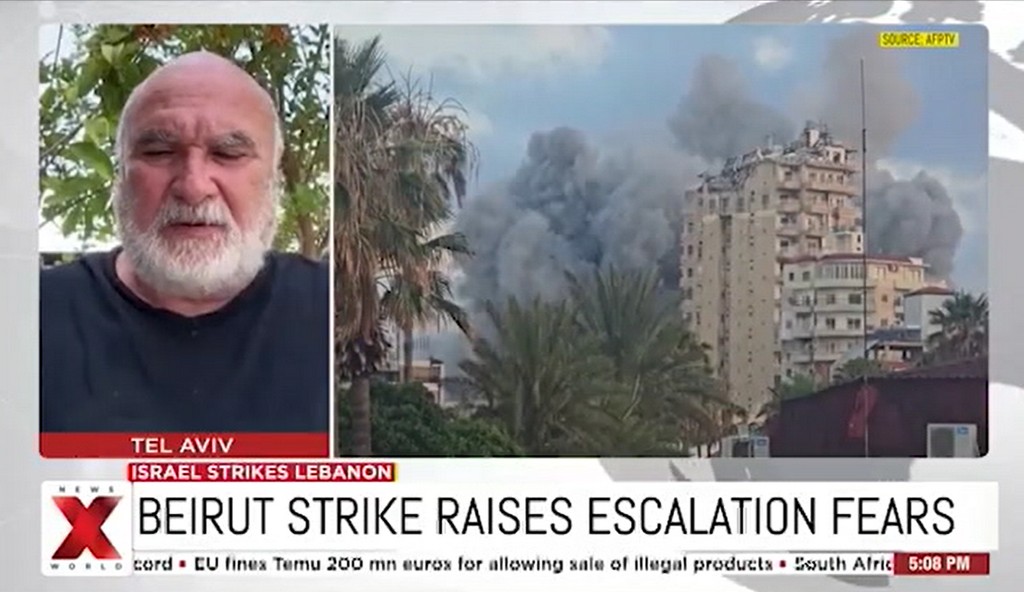
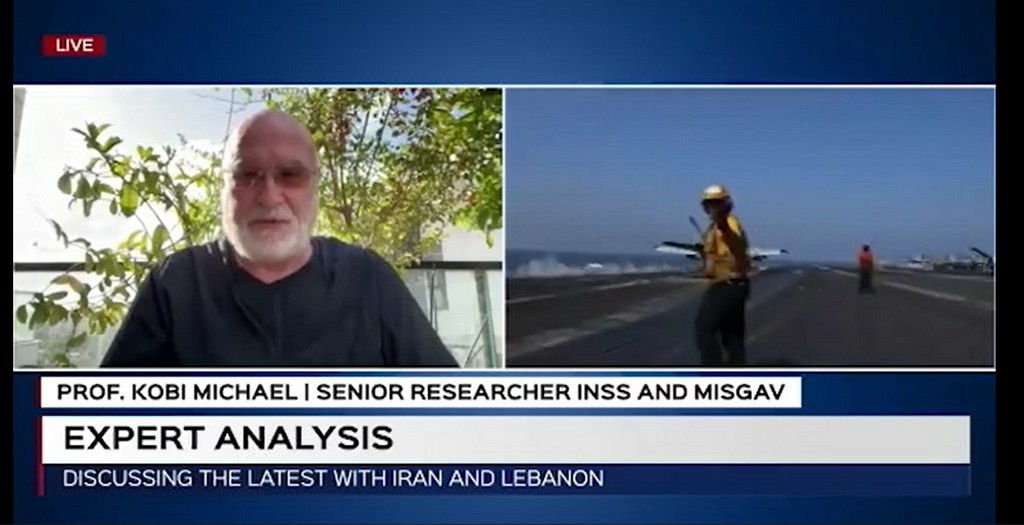
Prof. Kobi Michael argues that Israel must respond aggressively to Hezbollah’s continued drone and rocket attacks despite the official ceasefire, targeting the group’s strongholds to weaken their capabilities.
He maintains that these military actions are a necessary step to diminish Hezbollah’s power, which he believes is the only way to enable the Lebanese government to eventually assert its sovereignty and ensure security.
The full interview took place on NewsX World on May 28, 2026.
*The opinions expressed in Misgav publications are the authors’ alone.
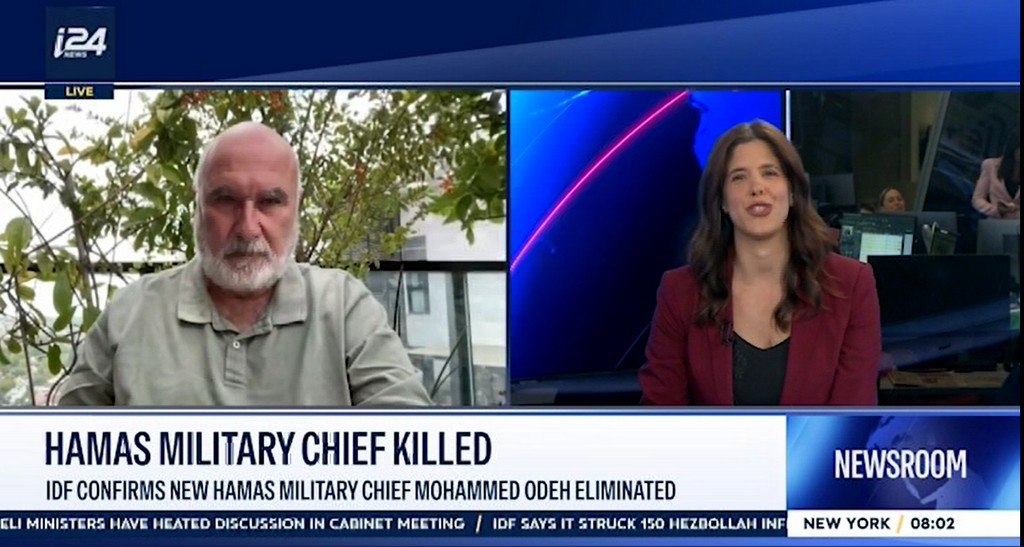
Prof. Kobi Michael : This is part of the (Israeli) strategy of weakening Hamas, of undermining their cohesion as an organisation. When you take down experienced people, then they have a problem to run the organisation effectively.
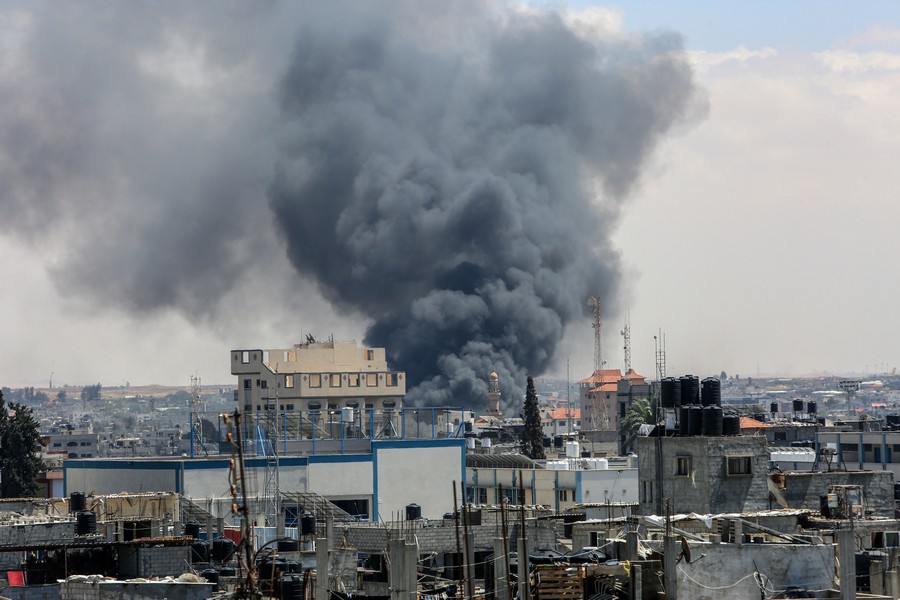
Prof. Kobi Michael discusses the significant impact of the IDF’s targeted killings of senior Hamas leaders, explaining how the loss of experienced commanders degrades the organization’s military capabilities and command structure.
He argues that these accumulated losses, combined with continued IDF operations in Gaza, are essential for successfully dismantling Hamas and ensuring the long-term demilitarization of the strip.
The full interview took place on Channel I24 on May 27, 2026.
*The opinions expressed in Misgav publications are the authors’ alone.
Prof. Kobi Michael: Israel perceives Dahlan as pragmatic, as responsible, reasonable, and Israel wants to see Dahlan in an effective position, even if he was less certain that Palestinians felt the same.
Any sort of contact, negotiation, [or] cooperation with him is a finger in the eye of Abu Mazen (Abbas) and the Palestinian Authority, and maybe this government has an intention to do that, maybe they do it deliberately… maybe they want to weaken Abu Mazen – they want to weaken the Palestinian Authority, evidencing that there was no other reason he could conceive why Israeli media would be handed such a story.
Originally from the Gaza Strip, Dahlan lacks support in the West Bank. Israel sees that there are some factions that are competing with each other in the West Bank, and maybe Israel is a bit worried about a chaotic situation.
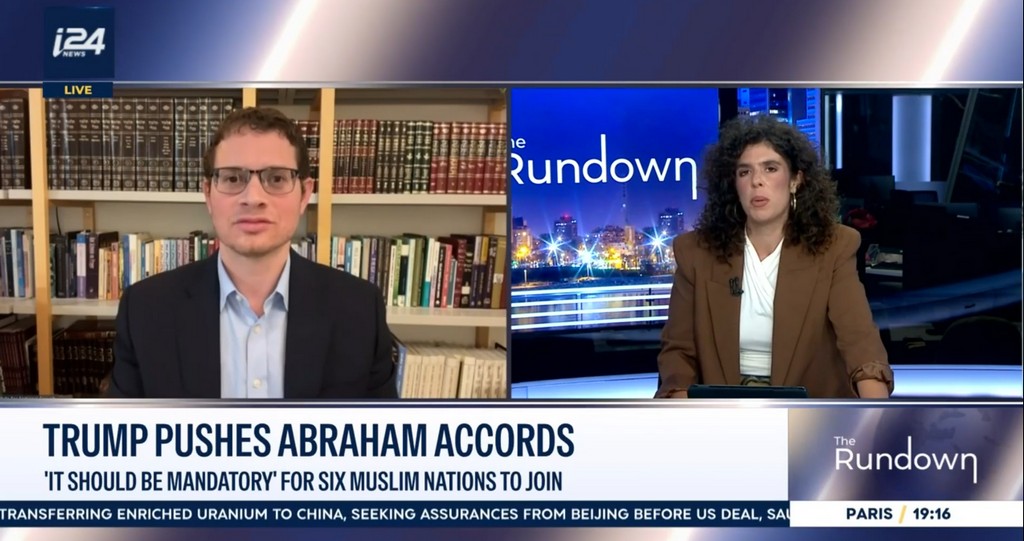
Asher Fredman explains that President Trump aims to establish a broad regional architecture based on military alliances, trade corridors like IMEC, and technological cooperation rather than just simple bilateral agreements.
He suggests that Trump may pursue practical steps toward normalization, such as trade and dialogue, while noting that the Saudi demand for a Palestinian state is losing credibility due to internal Palestinian instability and divisions.
The full interview took place on Channel I24, on May 25, 2026.
*The opinions expressed in Misgav publications are the authors’ alone.
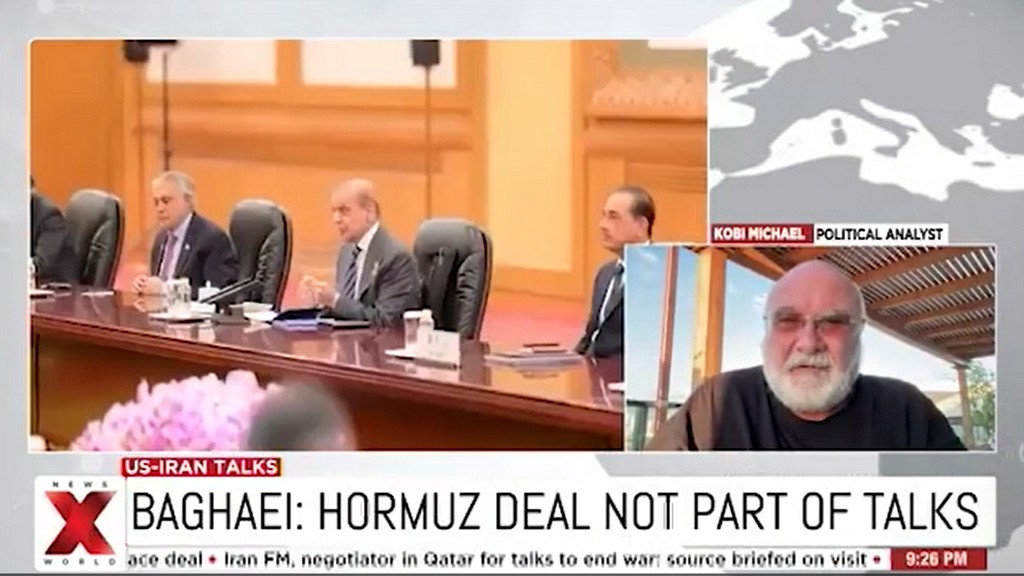
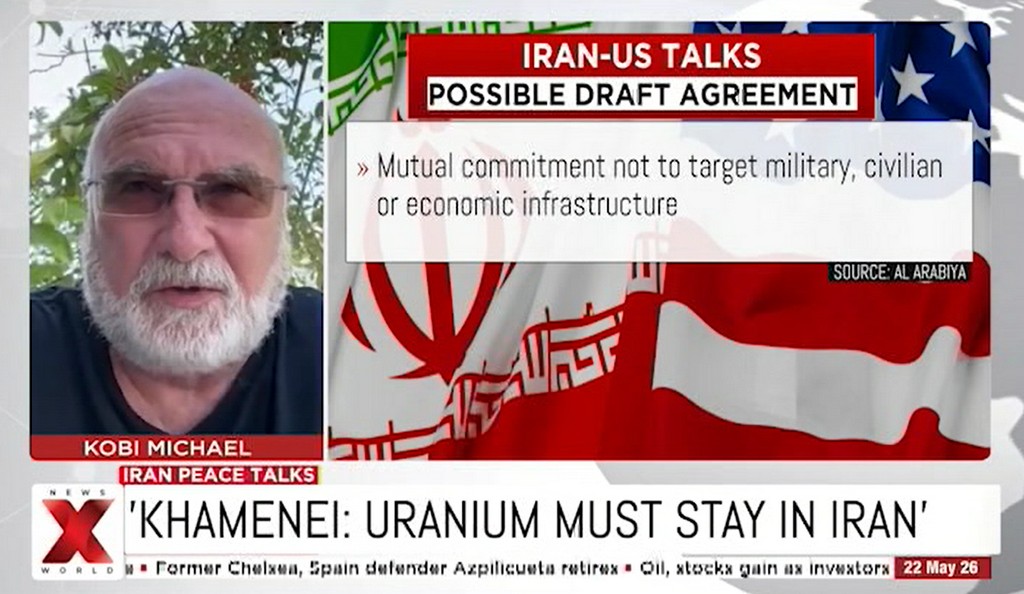
Prof. Kobi Michael argues that reports regarding US-Iran negotiations are often tools of psychological warfare and that the fundamental gaps between the two sides remain unbridgeable.
He suggests that while President Trump’s contradictory statements aim to pressure and confuse Iran, the lack of actual progress on core demands makes military escalation more probable than a signed agreement.
The full interview took place on NewsX World on May 25, 2026.
*The opinions expressed in Misgav publications are the authors’ alone.
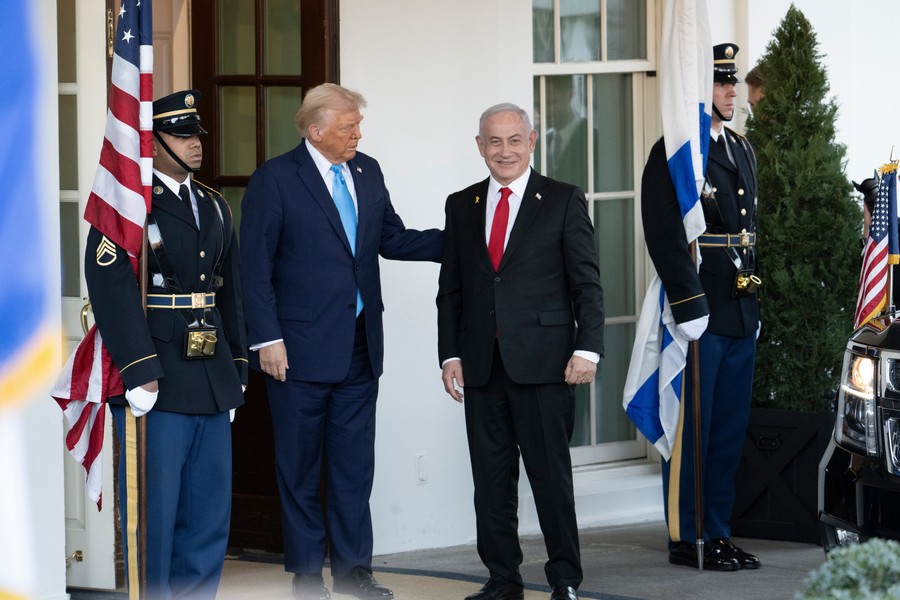
Prof. Kobi Michael: Neither President Trump nor Prime Minister Netanyahu has any interest in any crisis, but by leaking the story of a crisis between Trump and Netanyahu, the Iranians might find themselves surprised by the timing of the next military attack.
The leak created a sense of disagreement between the two leaders and positions Trump as the leader who gives another chance to the diplomatic path despite the pressures of Prime Minister Netanyahu. Trump understands who the Iranians are.
Netanyahu’s last post about his last conversation with Trump can be understood as the ultimate closure to this deception and any accusations.
However, that skepticism remained in Jerusalem over whether the gaps between the U.S. and Iran will be bridged, or whether Trump will accept the Iranian position.
Prof. Kobi Michael expresses skepticism regarding a potential nuclear agreement between the U.S. and Iran, citing internal Iranian factions and predicting a higher probability of a resumed military campaign over successful negotiations.
He also addresses the tensions in Israel-U.S. relations and defends Israeli military actions in Lebanon, arguing that Hezbollah’s use of civilian infrastructure like hospitals as human shields renders them legitimate military targets under international law.
The full interview took place on NewsX World on May 22, 2026.
*The opinions expressed in Misgav publications are the authors’ alone.
Prof. Kobi Michael explains that President Trump is leveraging diplomacy to build domestic and international legitimacy for potential military action intended to weaken the Iranian regime and its regional proxies.
He also highlights the limitations of the current security buffer in Lebanon, asserting that a more aggressive military doctrine will be required to effectively eliminate threats north of the Litani river.
The full interview took place on ILTV on May 20, 2026.
*The opinions expressed in Misgav publications are the authors’ alone.
Olga Deutsch: some of the most consequential battles of this era are waged far from any frontline. They unfold in newspaper columns, NGO briefings, aid networks, courtrooms, and the language of human rights – places where falsehood can travel faster than evidence and accusation can outrun accountability. The ultimate weapon that we have is facts and figures.
What is being waged against Israel and against Jews is not a marginal public-relations problem but the political warfare against the Jewish people and the State of Israel, a campaign designed to complement the physical war, reshape public opinion, and muddy the moral categories by which violence is judged.